
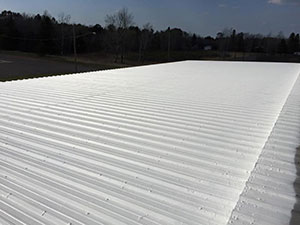
When a roof starts showing its age, the instinct for many property owners is to plan for replacement. That instinct is understandable but often premature. For a wide range of roof types and conditions, elastomeric roof coatings offer a cost-effective alternative that extends service life, improves energy performance, and provides genuine waterproofing protection without the disruption and expense of a full tear-off. In Steele, ND, where roofs absorb punishment from every direction and every season, that kind of value is worth understanding.
Partnering with Eagle Eye Roofing Systems is another way to get the most from your existing roofing system. Call 701-202-7280 today and speak with an expert.
One Coat, Years of Protection: The Case for Elastomeric Roof Coatings
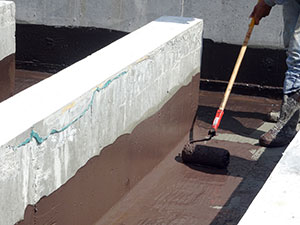
Elastomeric roof coatings are thick, flexible coatings applied directly to an existing roof surface. The term “elastomeric” refers to the material’s ability to stretch and recover, similar to rubber. When temperatures swing from well below zero in January to the mid-90s in July, roofing materials expand and contract significantly. A rigid coating would crack under that stress. An elastomeric coating moves with the roof, maintaining a continuous waterproof membrane across the entire surface without splitting or peeling.
These coatings are typically water-based acrylic, silicone, or polyurethane formulations, each suited to different roof types and performance requirements. They are applied in one or more coats at a specified thickness, measured in mils, to achieve the performance ratings specified by the manufacturer.
The Performance Benefits
Waterproofing
The primary function of an elastomeric roof coating is to create a seamless, waterproof barrier across the entire roof plane. Unlike traditional roofing systems that rely on overlapping materials and seams, a properly applied elastomeric coating eliminates the joints and transitions where leaks most commonly develop. For flat and low-slope roofs, which are particularly vulnerable to ponding water, this seamless protection is especially valuable.
Energy Efficiency
Most elastomeric coatings are white or light-colored and carry high solar reflectance ratings. In summer months, a reflective roof coating can significantly reduce the amount of heat transferred into the building below, lowering cooling loads and cutting energy costs. For commercial and agricultural buildings in the Steele area, where cooling a large structure during North Dakota summers represents a real operating expense, this benefit adds up quickly over the life of the coating.
Roof Life Extension
A professionally applied elastomeric coating effectively resets the clock on an aging roof by sealing existing vulnerabilities, protecting the underlying substrate from UV degradation, and reducing the thermal stress the roofing material experiences daily. Property owners who invest in elastomeric coatings at the right time routinely extend their roof’s functional service life by 10 to 20 years.
Reduced Maintenance
Because an elastomeric coating seals the entire roof surface rather than patching individual problem areas, it reduces the frequency and cost of ongoing maintenance calls. Fewer seams mean fewer opportunities for water infiltration, and the coating’s flexibility means it continues performing even as the building moves and settles over time.
What Roofs Qualify?
Elastomeric coatings are compatible with a wide range of existing roof types including metal, modified bitumen, built-up roofing, single-ply membranes, and spray polyurethane foam. The key qualification factor is the condition of the existing substrate. The roof must be structurally sound, free of trapped moisture within the assembly, and properly prepared before a coating is applied. A professional inspection determines whether a roof is a strong candidate or whether repairs are needed first.
The Cost Comparison
The financial case for elastomeric roof coatings is straightforward. A full commercial or agricultural roof replacement in North Dakota carries significant material, labor, and disposal costs, along with potential disruption to building operations. A professional elastomeric coating application costs a fraction of that investment while delivering meaningful life extension and performance improvement. When the underlying roof structure is sound, coating is almost always the better economic decision.
Specializing in Elastomeric Roof Coatings
The ideal window for applying an elastomeric coating is before a roof reaches the point of widespread failure. Visible surface wear, minor leaks, fading membranes, and aging seams are all signs that the roof is entering the zone where a coating delivers maximum value. Waiting until failure is widespread narrows the options and increases the cost.
Eagle Eye Roofing Systems helps property owners across Steele, ND evaluate their roofs and determine whether an elastomeric coating is the right next step. The goal is always to protect the assets with the most effective and economical solution available. Call 701-202-7280 today and schedule a consultation.
FAQ
How long does an elastomeric roof coating last?
With proper surface preparation and professional application, most elastomeric coatings last 10 to 20 years depending on the product, thickness applied, and roof type. Routine inspections and minor maintenance can push performance toward the higher end of that range.
Can elastomeric coatings be applied in North Dakota’s climate?
Yes, though timing matters. Most coatings require surface temperatures above 50 degrees Fahrenheit and dry conditions for proper application and curing. In North Dakota, late spring through early fall provides the most reliable application window.
Does an elastomeric coating count as a new roof for warranty purposes?
It depends on the manufacturer and the specific coating system used. Some elastomeric coating systems come with their own material and labor warranties that are separate from the original roof warranty. A qualified roofing contractor can clarify what warranty coverage applies to the specific system being installed.