
Commercial roofs in New Town, ND face snow, moisture, wind, and repeated temperature changes that can make small defects more important over time. A useful commercial roof maintenance program should do more than schedule roof visits. It should create a clear record of what was found, what action was taken, who is responsible for the next step, and when that step needs to be checked again.
Eagle Eye Roofing Systems provides commercial roofing maintenance and related services in New Town, ND. Call (701) 202-7280 to discuss a maintenance plan for your facility.
Commercial Roof Maintenance as Asset Management
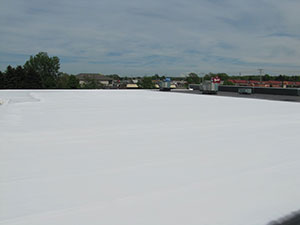
Maintenance is easier to manage when the roof is treated as a building asset with a documented history. Inspections and service visits can identify visible issues around membranes, seams, flashings, penetrations, curbs, roof edges, drains, scuppers, fasteners, coatings, and previous repairs. What needs attention will depend on the roof system and what is safely accessible during the visit.
Records give those observations context. A note that says only “seam issue” is difficult to act on later. A better entry identifies the roof area, describes the condition, states what was done, assigns any remaining action, and includes a follow-up date. Photos or marked roof plans can make locations easier to find during the next visit.
Using a specialized contractor can also help building owners separate routine maintenance from conditions that need a repair, restoration discussion, or additional investigation. The goal is not to promise that maintenance prevents every leak. It is to give ownership a consistent process for finding, recording, prioritizing, and following up on roof conditions.
What to Put in a Roof Maintenance Log
An actionable maintenance log should include enough detail that another facility manager, owner, or contractor can understand the status without relying on memory. At minimum, each entry should track:
- Defect location: identify the roof section and the specific feature, such as a seam, curb, drain, penetration, edge, or coated area.
- Condition found: describe what was observed, including whether the issue appears active, recurring, or unchanged from a prior visit.
- Action taken: record cleaning, adjustment, temporary protection, completed repair, monitoring, or other work actually performed.
- Responsibility: note who owns the next action, whether that is the roofing contractor, facility staff, an equipment contractor, or another party.
- Follow-up date: set a date to confirm completion, recheck the area, or decide whether additional work is needed.
Keep invoices, inspection notes, photographs, repair proposals, warranty documents, and prior maintenance reports with the log when possible. That supporting information can help show how a recurring condition developed and what work has already been attempted.
Prioritize Findings Instead of Treating Them Equally
Not every maintenance item has the same urgency. Active leaks, open flashing, membrane damage, blocked drainage, or conditions affecting the building interior may need prompt attention. Other findings may be suitable for scheduled repair or continued monitoring.
The log should make that distinction visible. A simple priority field such as prompt attention, planned work, or monitor can help owners sort open items without turning every observation into an emergency. If the cause of a problem is uncertain, the record should say that additional evaluation is needed rather than presenting an assumption as a confirmed diagnosis.
Keep Records for Different Roof Systems
Recordkeeping should reflect the roof that is actually on the building. A single-ply roof may require attention to seams, penetrations, flashing details, drainage, and previous patches. A metal roof may have different concerns around fasteners, seams, penetrations, transitions, and coatings. Spray polyurethane foam systems should be checked for visible damage to the protective surface and for areas that may need repair or coating attention.
The maintenance history should also record rooftop work by other trades. HVAC service, equipment replacement, snow removal, and other activity can affect membranes, flashing, or access paths. Logging those dates gives the next roof review better context when new damage appears near a work area.
Maintenance Records and Warranty or Claim Documentation
Organized records can be useful when reviewing warranty requirements or documenting the condition of a roof after a loss, but requirements vary by manufacturer, policy, and project. Maintenance documentation does not guarantee warranty coverage or an insurance claim outcome.
Building owners should keep the actual warranty and policy requirements with the roof file and follow any specified inspection, maintenance, notice, or documentation rules. The maintenance log then becomes a practical record of dates, observations, completed work, and unresolved items that can be referenced when questions arise.
Commercial Roof Maintenance Services
Eagle Eye Roofing Systems provides commercial roofing maintenance as part of its full-service roofing work in North Dakota. For New Town property owners, a maintenance program should leave the roof easier to manage after each visit, with clear findings and next steps rather than a collection of disconnected notes.
For commercial roof maintenance services and maintenance planning in New Town, call (701) 202-7280.
Frequently Asked Questions
What should a commercial roof maintenance record include?
Record the defect location, condition found, action taken, responsible party, and follow-up date. Photos, invoices, repair notes, and marked roof plans can provide useful supporting detail.
Should every maintenance issue be repaired immediately?
No. Findings should be prioritized by condition and risk. Some need prompt attention, while others may be scheduled or monitored.
Can maintenance records guarantee warranty or insurance coverage?
No. Requirements vary by warranty and policy. Records can support documentation, but owners should follow the actual terms that apply to their roof and coverage.
How should recurring roof problems be tracked?
Use the same location description from visit to visit and record each action and follow-up result. That makes it easier to see whether a condition is isolated or recurring.