
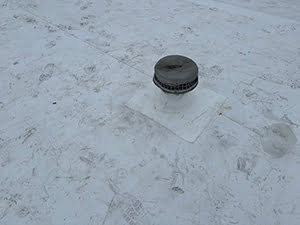
Commercial roof maintenance in Mandan, ND should be more than a reminder to “check the roof.” A useful plan defines what the owner is responsible for, what the contractor should inspect, what gets documented, and what should trigger follow-up work. Eagle Eye Roofing Systems provides commercial roofing services in Mandan and throughout North Dakota. Call 701-202-7280 to discuss a maintenance plan for your building.
What Commercial Roof Maintenance Should Accomplish
Routine maintenance helps identify small problems before they become harder to manage. A lifted seam, clogged drain, damaged flashing detail, puncture, or loose material around a penetration may be repairable when it is found early. If the same condition is ignored, water can spread into insulation, decking, interior finishes, or stored materials.
The goal is not to promise that maintenance will eliminate every major repair. It is to create a repeatable process for inspecting known risk areas, documenting what was found, and acting on conditions before they become more disruptive. Eagle Eye’s maintenance and inspection services include seam repairs, minor tear repair, debris removal, and drainage assessment.

Maintenance Responsibilities: Owner and Contractor
A strong plan separates owner responsibilities from technical roofing work so nothing is assumed.
| Responsibility | Owner or Facility Team | Roofing Contractor |
|---|---|---|
| Scheduling | Maintain a calendar for routine inspections and request an additional visit after a leak, severe weather event, or meaningful change in roof condition. | Recommend an inspection and follow-up schedule that fits the roof system, current condition, and any applicable written maintenance requirements. |
| Access and observations | Provide safe access information and report interior stains, odors, ceiling changes, rooftop equipment work, or other observations between visits. | Inspect the roof surface, seams, flashing, penetrations, drainage, previous repairs, and areas connected to reported interior symptoms. |
| Repairs and follow-up | Review findings, approve needed work, and retain the completed documentation. | Identify repairs, explain priorities, document completed work, and state when another inspection or investigation is needed. |
Documenting Observations for a Useful Maintenance Record
Each visit should produce a record that is specific enough to use later. A useful maintenance entry identifies the date, exact location, observed condition, photographs when appropriate, action taken or recommended, and any follow-up date or trigger.
Instead of writing “flashing needs attention,” the record should identify which wall, curb, penetration, edge, or roof section is affected. Instead of saying “drainage issue,” it should note the drain, scupper, low area, debris condition, or recurring ponding location that needs follow-up. This makes it easier to see whether the same area is deteriorating again over time.
Good records also help a future contractor, facility manager, or owner understand what work was completed and why. If a warranty, insurance, or property-management question later depends on maintenance history, the retained records provide evidence of what was actually observed and addressed. Coverage or warranty decisions still depend on the applicable documents and circumstances rather than the maintenance log alone.
Follow-Up Should Match the Roofing System
Maintenance should reflect the system actually installed on the building. A generic checklist can miss system-specific details.
Single-ply membranes: Check seams, flashing, penetrations, punctures, surface damage, and areas exposed to repeated rooftop traffic.
Metal roofing: Check seams, flashing, sealants, fasteners where the installed system uses them, penetrations, corrosion, and movement at transitions.
Spray foam roofing: Check the protective coating for wear, impact damage, exposed foam, cracks, and other conditions that can compromise the weathering surface.
Roof coatings: Check adhesion, surface wear, prior repairs, penetrations, drainage, and any areas where the coating has cracked, peeled, blistered, or been damaged.
Planning Maintenance Around the Building
Roof maintenance also needs to account for how the building is used. Rooftop HVAC service, exhaust equipment, frequent foot traffic, snow movement, debris, and drainage conditions can change which areas deserve closer attention. Eagle Eye’s current commercial roofing information for Mandan emphasizes inspection before deciding whether a roof needs maintenance, repair, restoration, or replacement.
A maintenance plan should also define what happens after a new condition is found. An isolated defect may need a repair and a follow-up check. Repeated leaks, suspected wet insulation, widespread deterioration, or structural concerns may require broader investigation rather than another small maintenance item.
Commercial Roof Maintenance in Mandan, ND
Commercial roof maintenance works best when responsibilities, observations, repairs, and follow-up are documented instead of left informal. The owner should know what to watch for between visits, and the contractor should leave a clear record of what was inspected and what needs attention next.
Call Eagle Eye Roofing Systems at 701-202-7280 to discuss a maintenance plan for a commercial roof in Mandan, ND.
Frequently Asked Questions
What should a commercial roof maintenance visit document?
It should record the date, location, observed condition, photographs when useful, action taken or recommended, and any follow-up date or trigger.
Who is responsible for commercial roof maintenance?
The owner typically manages scheduling, access, and between-visit reporting, while the roofing contractor performs the technical inspection, documents findings, and recommends or completes repairs.
Does every roofing system need the same maintenance?
No. Single-ply membranes, metal roofs, spray foam systems, and coated roofs have different details and failure points that should shape the inspection checklist.
What should happen if a leak appears between scheduled visits?
Report it promptly and document the location and interior symptoms. The roof should be inspected to identify the source and determine whether the condition is isolated or part of a broader problem.