
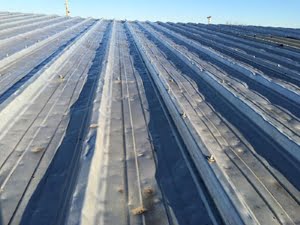
Commercial roof repair budgeting works best when the owner separates confirmed work from unknown conditions that may only become visible after the roof is opened. For a building in Bismarck, ND, the final cost can depend on the roof system, the extent of damage, access, moisture below the surface, deck condition, and how the contractor handles concealed conditions. Eagle Eye Roofing Systems provides commercial roof repair services throughout North Dakota. Call 701-202-7280 to discuss an assessment.
Understand What Is Driving the Repair Cost
A commercial roof repair estimate should be tied to the actual roof condition rather than a generic price range. Material type, damaged area, flashing or penetration details, moisture, rooftop equipment, access, and whether work is planned or urgent can all change the scope.
Eagle Eye’s commercial roofs information for Bismarck provides broader context on the types of systems and services that may be involved. For budgeting, the important step is to identify what the contractor has actually confirmed and what still needs investigation.
Separate Confirmed Work From Allowances
A clear estimate should distinguish between the work the contractor can price from visible or verified conditions and any allowance set aside for conditions that have not yet been confirmed.
| Estimate Item | What It Means | What to Ask |
|---|---|---|
| Confirmed repair scope | Work tied to damage the contractor has inspected and can define | Which roof areas, materials, seams, flashing, penetrations, or drainage details are included? |
| Allowance | A placeholder amount for possible additional work that cannot yet be fully verified | What condition would trigger the allowance, and how will actual cost be documented? |
| Unit price | A stated cost for an additional measurable item if the contract uses unit pricing | What quantity is assumed, and who confirms the quantity before extra work proceeds? |
| Change order | A written change to the agreed scope after new conditions are found | Who must approve it, and does work pause until approval is received? |
This separation matters because an estimate can look precise even when part of the roof remains hidden. Owners should know which amounts are based on confirmed conditions and which are there to manage uncertainty.
Diagnosis Can Change the Budget
The visible leak is not always the full problem. Water can move through insulation or along the roof assembly before it becomes visible inside the building. A contractor may need to investigate seams, penetrations, flashing, drains, membrane condition, insulation, or deck areas before the final scope is clear.
If wet insulation, deteriorated decking, corroded fasteners, or other concealed damage is discovered after work begins, the repair may need to expand. The estimate should explain how those findings will be photographed or documented and how additional work will be approved.
Access and Building Operations Affect Cost
Repair cost is not limited to roofing material and labor at the damaged spot. Multi-story access, cranes or lifts, fall-protection requirements, limited staging areas, rooftop equipment, occupied spaces, and restricted work hours can all affect the project.
Ask whether mobilization, access equipment, debris handling, temporary protection, and coordination with building operations are included in the base scope or listed separately. Eagle Eye’s commercial roofing contractor information for Bismarck gives additional context on project planning and commercial-site coordination.
Compare Written Repair Proposals, Not Just Totals
When reviewing more than one estimate, compare the same scope. A lower total may exclude deck work, insulation replacement, flashing, equipment coordination, temporary protection, disposal, or another item included elsewhere.
Ask each contractor to identify the exact repair area, proposed materials, exclusions, access assumptions, concealed-condition process, and any workmanship or manufacturer warranty terms that apply. Warranty documents should be reviewed for coverage, exclusions, maintenance obligations, and claim procedures rather than treated as a simple longer-is-better comparison.
Use Maintenance Records to Improve Future Budgets
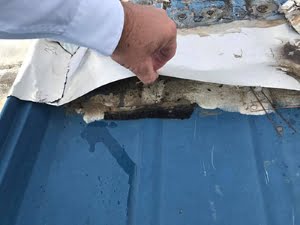
Repair history helps owners see whether the same areas keep failing, whether costs are spreading across the roof, and whether a larger intervention may be approaching. Keep invoices, photographs, inspection reports, change orders, warranty documents, and notes about recurring leaks or drainage conditions.
A maintenance reserve can also make smaller repairs easier to address without waiting for an emergency. The amount should reflect the building, roof system, condition, exposure, and recent repair history rather than a generic cost-per-square-foot formula.
Plan for Repair Versus Replacement Decisions
There is no universal percentage at which repair automatically becomes a poor choice. The decision should consider the condition of the roof assembly, extent of moisture, repair history, remaining serviceability, disruption, and the scope and cost of a replacement alternative.
If repairs are isolated and the surrounding roof remains serviceable, continued repair may be reasonable. If deterioration is widespread, moisture affects large areas, or repeated repairs are no longer controlling the problem, a broader replacement assessment may be appropriate.
Budgeting for Commercial Roof Repairs in Bismarck, ND
A useful repair budget separates known work from uncertainty. Owners should know what has been diagnosed, which access costs are included, how concealed damage will be handled, and what documentation is required before the scope expands. Eagle Eye Roofing Systems serves commercial properties in Bismarck and throughout North Dakota. Call 701-202-7280 to discuss a repair assessment.
Frequently Asked Questions About Commercial Roofing Repair
What is the difference between a confirmed repair cost and an allowance?
A confirmed cost covers work the contractor can define from known conditions. An allowance is a placeholder for possible work that cannot be fully verified until more of the roof is exposed.
What happens if concealed damage is found during a repair?
The contractor should document the condition, explain how it changes the scope, and get approval through the agreed change process before performing additional work.
Should I repair or replace my commercial roof?
The decision depends on the extent of deterioration, moisture, repair history, remaining serviceability, and the scope of a replacement alternative rather than one fixed cost percentage.
Does insurance cover commercial roof repairs?
Coverage depends on the cause of loss and the specific policy. Review the policy with the insurer and keep documentation of roof condition, maintenance, damage, and completed repairs.