
Eagle Eye Roofing Systems provides commercial roofing services across North Dakota, including acrylic coatings and restoration for suitable existing roofs. On a low-slope roof, a restoration plan should address the existing surface, details and drainage together.
A flat roof still needs a designed path for water to leave the surface. Persistent standing water can indicate blocked outlets, low areas or other drainage problems. The roof assembly, outlet locations and applicable requirements determine the drainage design.
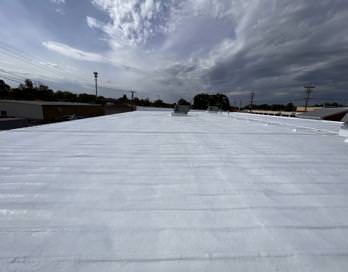
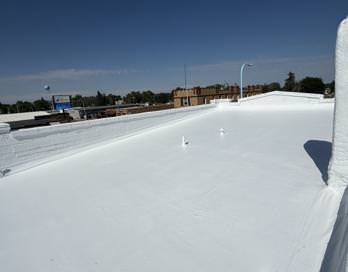
Ponding Water and Roof Condition
Water that repeatedly remains on the roof deserves investigation. Standing water can prolong exposure at damaged seams, flashing or other defects. It also adds load, so visible sagging or suspected structural damage needs qualified assessment rather than a surface coating.
The review should distinguish a blocked drain from a low area or a problem within the roof assembly. It should also check for existing leaks, trapped moisture and deteriorated materials. Finding the cause matters because applying a coating does not remove wet insulation, repair a damaged deck or create a working drainage path.
Keep roof outlets accessible for maintenance. Record where water remains after rainfall and arrange a professional assessment when the problem persists. Building owners should not attempt roof access or structural repairs without appropriate training and safety provisions.
Restoration for a Suitable Flat Roof
An acrylic coating system can renew the weather-resistant surface of an eligible roof. The supporting roof must remain sound, with leaks and damaged details addressed during preparation. Suitability depends on the existing roof, product compatibility, moisture condition, drainage and preparation.
Restoration typically includes repairing identified defects, addressing unsuitable wet or damaged materials, cleaning and preparing the surface, and treating seams and penetrations according to the selected system. Product requirements determine any primer, reinforcement, coverage rate and application conditions.
Ponding-water tolerance differs between coating products. Persistent ponding can impair acrylic coatings, so drainage concerns must be evaluated before application. The selected system needs to be compatible with both the existing surface and its drainage conditions.
A Scope That Matches the Existing Roof
Acrylic roof restoration begins with understanding the existing surface and the repairs it needs. The proposal should identify preparation, repairs, drainage-related work and the coating system, along with any areas excluded from restoration. Where the assembly is unsuitable, the underlying problem needs a different scope.
After the work, inspections and maintenance remain important. Keep the system’s care instructions and written warranty terms with the building’s roof records. Discuss a North Dakota commercial roof assessment with Eagle Eye Roofing Systems at 701-202-7280.