
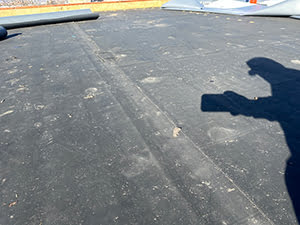
For a commercial property in Minot, ND, choosing a roofing contractor should be about more than a general promise of quality. The contractor should be able to explain the condition of the roof, the system being proposed, the scope of work, project timing, and what happens at closeout. Eagle Eye Roofing Systems serves commercial properties in North Dakota. Call 701-202-7280 to discuss your building.
For local service information, visit the Minot, ND page. A commercial roofing contractor should give you enough written detail to understand why a recommendation fits your facility before you approve the work.
What a Commercial Roofing Contractor Should Evaluate
Commercial roofing is not one-size-fits-all. The contractor should identify the existing roof system and evaluate factors such as membrane condition, seams, flashing, drainage, insulation, deck condition, rooftop equipment, access, and previous repairs. Those findings help determine what work is appropriate without turning this page into a repair-or-replacement decision guide.
System-specific experience matters because EPDM, TPO, metal, modified bitumen, coatings, spray foam, and other assemblies have different preparation, attachment, seam, flashing, and maintenance requirements. Rather than accepting a broad statement that one system is best, ask why the proposed approach fits the existing roof and building conditions.
Ask for a Written Assessment and Scope
A useful contractor proposal should start with a written assessment of the conditions that were observed. It should describe the roof areas involved, the work being proposed, the materials or system to be used, preparation requirements, access needs, and any known conditions that could change the scope.
The scope should also explain what is not included. If concealed deck damage, wet insulation, or another hidden condition could affect the project, ask how that will be documented and how additional work would be approved. This helps avoid relying on verbal assumptions once work is underway.
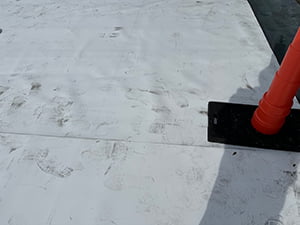
Confirm Qualifications for the Actual Roofing System
General commercial roofing experience is useful, but owners should also ask whether the contractor has the qualifications required for the specific system being installed or serviced. If a manufacturer certification, approved applicator status, or other system-specific credential is required for a proposed warranty or installation, ask to see current documentation rather than assuming it applies.
Warranty terms also vary. Ask what is covered by the manufacturer, what is covered by the contractor, what maintenance or inspection responsibilities apply, and what documentation must be retained. A contractor should explain the written warranty requirements that apply to the actual project rather than promise that every installation automatically receives the same protection.
Review Scheduling and Building Operations
Commercial roofing work can affect entrances, parking, rooftop equipment access, deliveries, noise-sensitive areas, and normal business operations. Before work starts, ask for a project schedule that identifies expected phases, access needs, staging areas, and how weather or concealed conditions could affect timing.
A schedule should be a planning tool, not a guarantee that every project will finish on the same timeline. Roof size, system type, weather, material availability, site access, and unexpected conditions can all change the sequence. The important point is that the contractor explains how schedule changes will be communicated.
Maintenance and Documentation After the Project
Commercial roof care does not stop when installation or service work is complete. The right inspection and maintenance frequency depends on the roof system, age, condition, warranty requirements, drainage history, weather exposure, and rooftop activity. There is no single twice-a-year rule that fits every building.
Records can include inspection reports, photographs, repair locations, product information, warranty documents, and maintenance notes. These records help future contractors understand what has been done and give property owners a clearer basis for tracking recurring issues. They may also be useful during an insurance or warranty review, but they do not guarantee claim approval or coverage.
Eagle Eye Roofing Systems also links to preventative maintenance information for commercial property owners who want to understand ongoing service options.
What Closeout Should Include
Before the job is considered complete, ask what closeout documents will be provided. Depending on the project, that may include a final walkthrough, photographs, product or system information, warranty paperwork, maintenance instructions, and a record of any approved scope changes.
Closeout is also the time to confirm that the completed work matches the written scope and to document any remaining follow-up items. Clear closeout responsibilities are more useful than a general promise of long-term performance because they give the owner something specific to verify.
Commercial Roofing Contractor in Minot, ND
For Minot facility owners, the most useful contractor relationship is one built around clear findings, system-specific qualifications, a written scope, realistic scheduling, and documented closeout. Those details make it easier to compare proposals and understand what the contractor is responsible for before, during, and after the work.
To discuss commercial roofing in Minot, call Eagle Eye Roofing Systems at 701-202-7280 or visit Eagle Eye Roofing Systems.
Frequently Asked Questions
What should I ask a commercial roofing contractor before signing?
Ask for a written assessment, system-specific qualifications, detailed scope, project schedule, warranty requirements, and closeout responsibilities.
Should a contractor guarantee how long a commercial roof will last?
No single lifespan applies to every roof. Service life depends on the system, installation, maintenance, exposure, drainage, and building conditions.
How often should a commercial roof be inspected in Minot?
Inspection timing should follow the roof system, condition, warranty requirements, drainage history, weather exposure, and rooftop activity rather than one universal schedule.
What should I receive at project closeout?
Depending on the job, closeout may include a final walkthrough, photos, warranty documents, maintenance guidance, product information, and a record of approved scope changes.