
For commercial property owners in Steele, ND, protecting a building’s roof is essential to maintaining operations, controlling costs, and extending property lifespan. When roofing systems begin to show signs of aging, many owners assume replacement is the only option. However, roof restoration provides a practical alternative that renews performance without the expense and disruption of a full tear-off.
Understanding how roof restoration works helps business owners make informed decisions about long-term building maintenance. Eagle Eye Roofing Systems assists commercial clients throughout Steele, ND with professional restoration solutions designed to maximize roof life and efficiency. To learn whether restoration is right for your facility, contact Eagle Eye Roofing Systems at 701-202-7280 today.
Roof Restoration Explained: What Actually Happens During the Process?
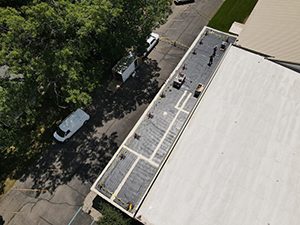
Every successful roof restoration begins with a detailed inspection and assessment. This phase determines whether the existing roof structure is suitable for restoration instead of replacement.
During the evaluation process, professionals examine:
- Membrane condition and aging signs
- Water intrusion areas
- Flashing integrity
- Drainage performance
- Insulation moisture levels
Unlike basic repairs, restoration focuses on overall system performance rather than isolated damage. Commercial building owners benefit from a complete understanding of their roof’s condition before work begins.
A key objective of this stage is identifying underlying issues that may not yet be visible from the surface. Early detection prevents recurring problems after restoration is completed.
Roof Preparation and Repairs
Preparation is one of the most critical stages of the roof restoration process. Even the highest-quality coating or restoration system will fail if applied to an improperly prepared surface.
Cleaning and Surface Preparation
Technicians thoroughly clean the roof using specialized equipment to remove dirt, debris, biological growth, and existing contaminants. This step ensures proper adhesion of restoration materials.
Cleaning may include:
- Power washing
- Removing loose materials
- Clearing drains and gutters
- Treating areas affected by mold or algae
A clean surface allows restoration products to bond effectively, forming a seamless protective layer.
Targeted Repairs
Before restoration materials are applied, all damaged areas must be repaired. These repairs may involve sealing seams, reinforcing flashing, replacing deteriorated sections, and addressing ponding water concerns.
Rather than masking problems, restoration strengthens vulnerable areas so the entire roofing system performs as one cohesive structure.
Application of Restoration Systems
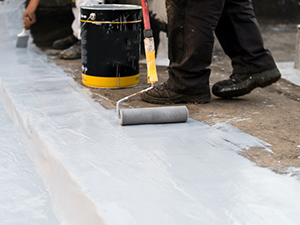
Once preparation and repairs are complete, the actual roof restoration begins. This stage transforms the roof by adding protective layers that enhance durability, waterproofing, and energy efficiency.
Protective Coatings
Commercial roof restoration typically involves applying specialized coatings designed to extend roof life. These coatings create a seamless membrane that protects against:
- UV radiation
- Moisture penetration
- Temperature fluctuations
- Thermal expansion and contraction
Depending on the existing roof type, acrylic, silicone, or elastomeric coatings may be used. Each coating is selected based on climate conditions, roof material, and building needs.
Reinforcement and Waterproofing
High-stress areas such as seams, penetrations, and transitions receive additional reinforcement fabrics or sealants. This reinforcement prevents leaks and strengthens the roof against severe weather conditions common in North Dakota.
The finished system acts as a new protective surface without removing the original roof, significantly reducing waste and installation time.
Final Inspection and Performance Verification
After installation, professionals conduct a final inspection to verify that the restoration meets performance standards. This includes checking coating thickness, coverage consistency, and proper sealing.
Commercial building owners often receive documentation outlining the restored roof’s condition and expected lifespan improvements. Many restoration systems also include warranties, providing additional peace of mind.
The result is a renewed roofing system capable of delivering years, often decades, of reliable performance.
Roof Restoration Experts
For commercial property owners in Steele, ND, understanding the roof restoration process makes it easier to protect building investments without unnecessary expenses. From detailed inspection and preparation to advanced coating application and final verification, roof restoration renews performance while extending roof longevity.
Rather than waiting for major failures, proactive restoration allows businesses to maintain structural integrity, control maintenance budgets, and improve energy efficiency. Eagle Eye Roofing Systems works with commercial clients throughout Steele, ND to deliver reliable restoration solutions tailored to each building’s needs. To discuss your roof restoration options, contact Eagle Eye Roofing Systems at 701-202-7280 today.
FAQ
What is the difference between roof restoration and roof replacement?
Roof restoration renews and protects an existing roof, while replacement removes the entire system and installs a new one.
Can roof restoration stop existing leaks?
Yes. Restoration includes repairs and waterproof coatings designed to seal leaks and prevent future moisture intrusion.
Is roof restoration suitable for all commercial roofs?
Most roofing systems can be restored if the underlying structure remains sound and moisture damage is limited.
How long does a commercial roof restoration project take?
Project timelines vary by roof size and condition but are generally much faster than full roof replacement projects.