
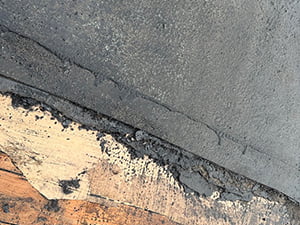
Roofing repair in Mandan, ND should begin when a commercial property shows signs that the roof may no longer be keeping water out or protecting the building as intended. Interior stains, recurring drips, visible material movement, or repeated trouble in the same area are reasons to arrange a professional inspection rather than wait for the problem to spread.
Eagle Eye Roofing Systems provides commercial roof inspection, leak detection, repair, maintenance, restoration, and replacement services in Mandan. Its current Mandan roofing services include evaluation of leaks, seams, flashing, membrane damage, drainage concerns, and other conditions that can affect a commercial roof.
Roofing Repair Warning Signs
The safest first step is to document what can be seen from inside the building or from ground level. Those observations can show that a roof problem may exist, but they do not establish the exact entry point or the full repair scope.
| Warning sign | What you can safely observe | What a professional should check |
|---|---|---|
| Water stains or active drips | Location, timing, affected ceiling or wall area, and whether the symptom appears during or after rain or snowmelt | Potential entry points, seams, flashing, penetrations, drainage, and whether moisture has traveled beyond the visible symptom |
| Visible movement or separated materials | Obvious changes visible from the ground, such as lifted edges or displaced material | The extent of membrane, flashing, fastener, seam, or edge damage and whether nearby areas show the same condition |
| Ponding or drainage concerns | Water that remains visible after weather clears, when it can be observed safely without roof access | Drains, scuppers, slope, membrane condition, and any damage associated with recurring water accumulation |
| Musty odor or visible mold indoors | Where the odor or visible growth occurs and whether it appears with other moisture symptoms | Whether the roof is contributing to moisture intrusion or whether another building source needs investigation |
Water Damage and Leaks Need Diagnosis
A ceiling stain does not prove that the roof opening is directly above it. Water can travel through roofing materials, insulation, decking, or other building components before becoming visible inside. Note where the stain or drip appears, protect affected interior areas when it is safe to do so, and arrange an inspection to identify the source.
Eagle Eye’s commercial roofs in Mandan page explains that inspection comes before deciding whether a roof needs repair, restoration, or replacement. That same approach applies when a leak appears localized at first.
Energy Bills and Odors Do Not Prove a Roof Leak
A rise in heating or cooling costs can be a reason to investigate the building, but it does not confirm that the roof is responsible. HVAC performance, air leakage, insulation elsewhere in the building, occupancy changes, and weather can also affect energy use.
Musty odors or visible mold are similar warning signs. They indicate a moisture concern that deserves attention, but they do not establish that the roof is the source. Eagle Eye Roofing Systems can evaluate a suspected roofing-related moisture source and repair roof defects it finds. Mold assessment or remediation, when needed, is a separate specialist scope.
What You Should Not Check Yourself
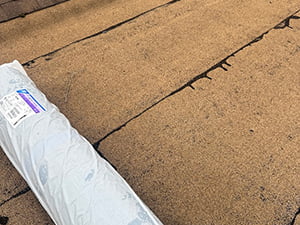
Do not climb onto a commercial roof to look for a leak, soft area, separated seam, or membrane problem. Roof surfaces can be slippery, openings and edges create fall hazards, and prolonged moisture can weaken materials in ways that are not visible from below.
Hands-on inspection of seams, flashing, penetrations, membrane condition, fasteners, drainage components, and suspected soft areas should be left to trained roofing professionals. Eagle Eye’s inspection and repair services include commercial roof inspections, maintenance, repairs, estimates, and hail-damage evaluation.
When a Repair May Need a Broader Assessment
A targeted repair may be appropriate when the defect is clearly defined and surrounding roofing remains serviceable. A broader assessment makes more sense when leaks recur in separate locations, several seams or flashing details show similar deterioration, drainage problems continue, or suspected moisture extends beyond one repair area.
Those conditions do not automatically mean the roof needs replacement. They mean the owner needs enough evidence to determine whether another localized repair is appropriate or whether restoration or replacement should also be evaluated.
How Quickly Should You Respond?
Active leaks, interior water near electrical equipment, falling ceiling materials, or rapidly worsening damage require prompt attention to protect occupants and building contents. Building staff should follow their normal facility-safety procedures and keep people away from unsafe interior areas while the roofing problem is assessed.
Less dramatic warning signs still deserve documentation. Record when the symptom appeared, whether weather was occurring, and whether the condition changes over time. That information can help the roofing contractor compare interior evidence with roof-level findings.
Roofing Repair in Mandan, ND
For a Mandan commercial property, the repair decision should follow the evidence. Document what can be observed safely, avoid roof access, and have a professional determine whether the problem is localized or part of a broader roof condition.
Contact Eagle Eye Roofing Systems at 701-202-7280 to discuss commercial roofing repair in Mandan, ND.
Frequently Asked Questions
Do rising energy bills mean my commercial roof is leaking?
No. Higher energy use can come from HVAC performance, air leakage, insulation, occupancy, weather, or a roof problem. An inspection can help determine whether the roof is contributing.
Can I inspect a commercial roof myself?
You can document interior symptoms and obvious conditions visible from the ground, but walking the roof and diagnosing seams, flashing, membrane damage, or soft areas should be left to trained professionals.
When is a localized roof repair appropriate?
A targeted repair may fit when the defect is clearly identified and nearby roofing remains serviceable. Repeated leaks, widespread deterioration, drainage problems, or broader moisture concerns call for a wider assessment.
Does a musty odor prove the roof is leaking?
No. A musty odor indicates a moisture concern but does not identify the source. The roof, plumbing, ventilation, or another building condition may need investigation.