
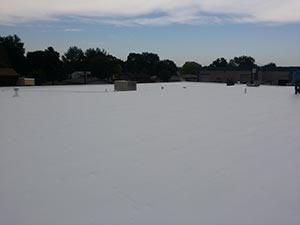
Commercial roof inspection frequency in New Town, ND needs to be adjusted for North Dakota’s harsh climate. Inspection schedules that work in milder regions often miss developing issues here, where freeze-thaw cycles, heavy snow loads, and extreme temperature swings can accelerate roof deterioration. Regular, climate-specific inspections help identify damage early and reduce the risk of costly failures during winter months when repairs are more difficult.
Eagle Eye Roofing Systems performs commercial roof inspections for properties in New Town, ND. Call 701-202-7280 to set up an inspection schedule that fits your building and local conditions.
Commercial Roof Inspection Frequency for Harsh Climates
Inspection frequency is not one-size-fits-all. Climate severity, roof age, system type, and building use all influence how often inspections need to happen. North Dakota’s extreme conditions push that frequency higher than what building owners in temperate regions require.
Twice-annual inspections are the minimum for commercial roofs in North Dakota. Spring inspections assess winter damage before summer heat arrives. Fall inspections identify problems that need repair before the building heads into another winter. This baseline schedule catches most issues before they compound.
Roofs older than 15 years need quarterly inspections because deterioration accelerates as systems age. Buildings with known chronic issues require more frequent attention until the underlying problem is permanently addressed.
How North Dakota Weather Affects Inspection Timing
Post-winter inspections are critical in North Dakota. Freeze-thaw cycling, ice dam formation, and snow load stress all create damage that shows up once temperatures rise and snow melts. Catching this damage in April or May allows repairs before summer weather stresses the roof further. Waiting until fall means the damage compounds for an entire season.
Pre-winter inspections in September or October identify repairs that must happen before snow arrives. A small seam separation found in October can be fixed before winter. The same problem discovered in December means emergency repairs in harsh conditions or living with an active leak until spring.
Post-storm inspections should occur immediately after severe weather events regardless of the regular schedule. High winds, hail, and heavy snow all create damage that needs prompt assessment. Waiting for the next scheduled inspection gives moisture time to infiltrate and expand the repair scope.
Roof System Type and Inspection Frequency
Single-ply membrane systems like TPO, PVC, and EPDM benefit from twice-annual inspections in North Dakota. These systems age predictably, and semi-annual checks catch seam failures, membrane cracking, and flashing problems before they create widespread damage. Roofs with chronic ponding need quarterly inspections because standing water accelerates membrane degradation in harsh climates.
Metal roofing systems need annual inspections if properly installed and maintained. Corrosion and fastener degradation progress slowly in North Dakota’s dry climate. However, metal roofs on heated buildings where condensation is a concern need twice-annual checks to monitor for moisture-related deterioration.
Built-up and modified bitumen systems require twice-annual inspections because these systems trap moisture and develop blistering that progresses quickly once started. North Dakota temperature extremes stress these systems more than single-ply membranes, making frequent monitoring essential.
When to Increase Inspection Frequency
Buildings experiencing rapid deterioration need quarterly inspections to monitor progression. Widespread membrane cracking, multiple seam failures, or accelerating leak frequency all signal that the roof is entering end-of-life and needs frequent assessment until replacement.
Commercial buildings with high-value interior contents or operations that cannot tolerate interruption justify more frequent inspections. The cost of additional inspections is minor compared to the business interruption cost of an unexpected roof failure during critical operations.
Roofs that have undergone major repairs need quarterly follow-up inspections for the first year to verify repair performance. This increased frequency catches any repair failures early when warranty coverage typically addresses them at no additional cost to the building owner.
Schedule Commercial Roof Inspection for North Dakota Conditions
If your commercial building in New Town, ND needs roof inspections scheduled for harsh climate conditions, the frequency and timing matter just as much as the quality of the inspection itself. In a region with heavy snow, freeze-thaw cycles, and extreme temperature swings, properly timed inspections help catch developing issues before they turn into costly problems.
Eagle Eye Roofing Systems performs commercial roof inspections for properties in New Town, ND. Call 701-202-7280 to establish an inspection schedule that supports insurance requirements, warranty compliance, and long-term maintenance planning.
FAQ
Why do North Dakota roofs need more frequent inspections than milder climates?
Extreme temperature swings, freeze-thaw cycles, and heavy snow loads accelerate roof deterioration, making problems develop and progress faster than in moderate climates.
Can building owners perform their own commercial roof inspections?
Building owners can perform visual checks, but insurance and warranty compliance typically require third-party professional inspections with formal documentation and technical expertise.
What happens if required inspections are skipped?
Missing required inspections can void manufacturer warranties, complicate insurance claims, and allow small problems to become expensive failures that could have been caught early.
Should post-storm inspections happen even if no visible damage occurred?
Yes, many storm damage types are not visible from ground level, and professional inspection is the only way to identify concealed damage before it causes leaks or structural problems.