
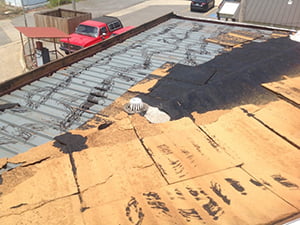
Storms in Mandan, ND can damage commercial roofs in ways that are not always obvious from the ground. High wind can lift edges and flashing, hail can damage roof surfaces, and heavy snow and rain can expose weak seams. Eagle Eye Roofing Systems provides storm damage evaluation and repair for commercial roofs in North Dakota, and the practical question after a storm is what to document, who should look at the roof and when each finding needs action.
This article explains what building owners can safely observe, what a contractor assessment involves, and which findings should trigger the next step. To discuss a Mandan building, you can reach the team at (701) 202-7280.
Roof Storm Damage Considerations
Storm damage on a commercial roof can be localized and easy to miss. A few loosened seams, a lifted flashing or a small puncture may not leak right away, but water can enter later, saturate insulation and work along the deck before it shows inside. In Mandan, freezing temperatures add another factor because water that enters small cracks can expand when it freezes and widen the gap.
The table below links common observations to what they may indicate and, just as important, what they cannot confirm. Owner observations help decide what to do next, but they are not a diagnosis.
Standing water that lingers after rain or meltDrainage may be blocked or the surface may have shifted or sagged.
| What you notice | What it may indicate | What it cannot confirm | Next step |
|---|---|---|---|
| Interior ceiling stain, drip or damp insulation | Water intrusion is possible, although plumbing or condensation can also cause stains. | Whether the roof is the source, where water entered, or the extent of wet insulation. | Document with photos, protect contents and request a roof assessment. |
| Debris, missing or displaced material seen from the ground | Wind may have lifted edges, flashing or equipment covers. | Whether the membrane or seams underneath are open. | Photograph from safe locations and request an assessment. |
| Dents or damage to rooftop equipment, vents or gutters | Hail or wind impact may have reached the roof surface. | Whether the roof membrane itself is damaged. | Record the damage and have the roof surface checked. |
| Standing water that remains on the roof after rain | Drainage may be restricted, or water may be collecting in low areas. | Whether the cause is debris, a drain defect or structural movement. | Schedule an assessment of drains and low areas. |
| No visible signs after a severe storm | Possibly no damage, or damage that is not visible from the ground. | That the roof is undamaged. | Note the storm date and consider a post-storm inspection. |
What Owners and Staff Can Safely Observe
Building staff should not walk a commercial roof after a storm. Wet, icy or damaged surfaces are hazardous, and a damaged area can give way. Most useful observations can be made from inside the building or from the ground.
- Check ceilings, walls and upper-level spaces for new stains, drips or damp spots, and note where and when they appeared.
- Walk the property perimeter and look for loose or fallen material, bent edge metal, displaced equipment covers or debris.
- Look at gutters, downspouts and drainage outlets for blockages or overflow.
- Photograph everything with dates, including wide shots for context and close shots of specific damage.
- Write down the storm date, the weather conditions and any interior areas where contents were protected or moved.
These records give a contractor a starting point and give the owner a baseline if conditions change later.
What a Contractor Assessment Involves
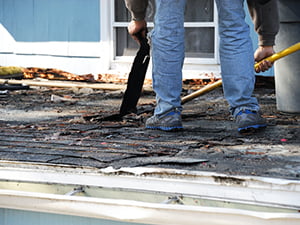
A commercial roof assessment after a storm goes beyond a glance at the surface. A contractor typically works through the roof in a set order.
- Safety check: Confirm the roof can be accessed safely and note any areas that look unstable.
- Surface review: Look for punctures, tears, lifted or open seams, displaced material and damage from impact.
- Flashings and penetrations: Check wall and curb flashings, vents, pipes and equipment connections where wind and water often start to get in.
- Drainage: Inspect drains, scuppers and low areas for blockage, ponding or movement.
- Moisture questions: Where leaks or wet insulation are suspected, decide what further checks are needed, since a visual review cannot always show moisture under an intact surface.
- Written findings: Record locations with dated photos, rank what is urgent, near term or worth monitoring, and describe the proposed repair scope.
A documented commercial roof inspection in Mandan follows this same logic, and the resulting report is useful for repair planning and for any conversation with an insurer.
Evidence and Limitations
A post-storm assessment can identify visible damage and likely problem areas, but it has limits. Hail-related surface damage or small punctures can be hard to see, moisture can hide beneath an intact surface, and damage can develop weeks after a storm as water works into weak points. An assessment documents conditions on the day it was done. It does not guarantee that the roof is free of damage elsewhere, which is why follow-up after the next heavy rain or thaw is reasonable if there were warning signs.
Next-Action Triggers
- Act promptly: Active interior leaks, open or torn membrane, displaced flashing or any condition that lets water into the building. Temporary protection may be needed before permanent repairs.
- Schedule soon: Loosened seams, damaged edge metal, drainage problems or impact damage that has not leaked yet.
- Monitor and recheck: No visible damage after a severe storm. Record the date, watch for stains after the next rain or thaw, and arrange an inspection if anything changes.
Defined damage is usually handled through commercial roofing repair in Mandan. If the assessment shows widespread damage, the report supports a conversation about larger repair or replacement options.
Insurance Considerations
This is general information, not insurance or legal advice. Many owners ask whether storm damage is covered, and the answer depends on the policy and the insurer, which decides coverage. Policies differ on notice requirements and deadlines, so reading your policy and contacting your insurer promptly after a storm is sensible. Dated photos, the storm date, assessment reports and repair estimates are the records most often useful in that conversation. Eagle Eye Roofing Systems lists claim assistance among its commercial services, and no contractor can promise how a claim will be decided.
Roof Storm Damage Experts
Eagle Eye Roofing Systems works with commercial property owners in Mandan and across North Dakota, including retail, warehouse and office buildings. Storm assessment, leak detection, repair and restoration are among the commercial roofing services listed for Mandan. For help after a storm, call (701) 202-7280.
Frequently Asked Questions
What are common signs of storm damage on a commercial roof?
Common signs include interior stains or drips, loose or displaced flashing, punctured or torn membrane, damaged equipment, blocked drains and ponding water. Some roof damage is not visible from the ground.
Should staff go onto the roof after a storm?
No. Wet, icy or damaged roofs are hazardous. Document what you can from inside and from the ground, and leave roof access to trained contractors.
How long do I have to report storm damage to my insurer?
It depends on your policy, so read it and contact your insurer promptly. The insurer determines coverage, and this is general information, not insurance advice.
Can storm damage appear after the storm has passed?
Yes. Water can enter through small openings and show up days or weeks later, so a post-storm inspection and follow-up after the next rain or thaw are reasonable.