
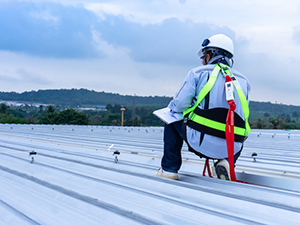
A commercial roof inspection in Williston, North Dakota should leave the owner with more than a verbal summary. Heavy snow, freeze-thaw cycles and strong wind all put stress on commercial roofs here, and the value of an inspection comes from the evidence it produces: what was found, where, how serious it is, and what to do next. Eagle Eye Roofing Systems provides inspection among its commercial roofing services in North Dakota.
This article explains what an inspection covers, what a useful report contains, and how the findings lead to maintenance, repair or replacement decisions. To arrange an inspection for a Williston building, you can reach the team at (701) 202-7280.
The Purpose of Commercial Roof Inspection
A commercial roof inspection assesses the condition of the roofing system, including the membrane or metal surface, seams, drainage, flashings and the structure beneath. The goal is to document wear, damage and weak points, including defects that may already be allowing water entry, and to give the owner a basis for planning rather than reacting.
Inspection is different from repair. The inspector documents conditions and recommends actions, while repairs are the work that follows. Keeping the two separate helps owners compare proposals and understand which items are urgent.
Benefits of Regular Inspections
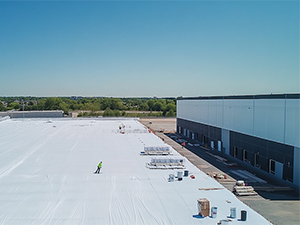
Regular inspections can identify small problems such as a lifting seam, a clogged drain or failing sealant before their repair scope grows. They give the owner a dated record of the roof’s condition, which makes it easier to see change over time and to budget for repairs instead of reacting to a leak.
Inspection records also support conversations with insurers, lenders, tenants and contractors, because they show what was known and when. Inspections do not guarantee that a roof will not leak, but they make problems visible earlier and decisions better informed.
What Inspectors Look For
Inspectors work through the roof area by area. The table below shows what is checked and what the written record should capture for each area.
| Inspection area | What the inspector checks | What the report should record |
|---|---|---|
| Roof surface | Ponding water, blistering, punctures, cracked or split membrane, worn coatings and damage from foot traffic. | Dated photos with a marked location for each condition, plus a note on how widespread it is. |
| Seams and laps | Open, lifting or separated seams and laps, and sealant that has cracked or pulled away. | Seam locations and whether the condition is isolated or repeated across the roof. |
| Flashings and penetrations | Wall and curb flashing, pipe and vent seals, and the edges around rooftop equipment. | Which details are loose, cracked or unsealed, with close-up photos. |
| Drainage | Drains, scuppers, gutters and downspouts, and whether water leaves the roof freely. | Blocked or slow drainage points and any staining that suggests recurring standing water. |
| Moisture and interior signs | Ceiling stains, damp areas and any moisture findings, including the method used. | Confirmed versus suspected moisture, the areas checked and the limits of the method used. |
| Structure and edges | Sagging, deflection, damaged edge metal and signs of stress under snow load. | Observed conditions and any area that may need further investigation. |
No single finding tells the whole story. A few small seam issues on an otherwise sound roof point in a different direction than widespread membrane cracking, and the report should make those patterns easy to see.
Williston Considerations
Williston roofs deal with a demanding mix of conditions. Snow can accumulate on flat and low-slope roofs and add load, drifting snow can pile near parapets and equipment, and freeze-thaw cycles open small cracks and test seams and flashings. Strong wind during storm season can lift edges, loosen flashings and push debris onto the roof.
Because of this, inspection timing matters. Many commercial roofs are inspected in spring after the thaw and in fall before freeze-up, with an extra visit after a severe storm. The right schedule depends on the roof system, its age and what earlier inspections found, so the report should recommend a schedule instead of treating one interval as a rule.
Dated Photos and Defect Locations
Photos are the backbone of a useful report. Each condition should be photographed close up and in context, with the date and a location reference that matches a simple roof sketch. When the same spot is photographed again after a storm or a repair, the owner can see whether a crack has grown or a seam has opened.
Moisture Findings and Thermal Confirmation
A visual inspection can show damaged membrane, failed sealant and standing water, but it cannot always show wet insulation under an intact surface. Depending on the roof assembly and the inspection scope, moisture investigation may include scanning or thermal imaging to map suspect areas. A thermal image shows surface temperature differences, and those differences can come from shading, roof materials, equipment or the time of day as well as from moisture, so a thermal finding needs suitable confirmation before it is interpreted as evidence of wet materials. The report should say which areas are confirmed and which are only suspected.
Prioritized Actions and Reinspection Triggers
An actionable report separates conditions needing prompt attention from those that can be scheduled or monitored. The appropriate urgency depends on what the inspector finds.
- Urgent: Open seams, damaged flashing or active leaks that allow water in now.
- Near term: Worn sealant, minor membrane damage or poor drainage likely to cause trouble.
- Monitor: Aging or isolated wear that should be photographed and rechecked.
The report should also list what should trigger another look: a severe storm, a repeat leak in the same area, new interior staining, rooftop work by other trades, or completion of a repair. Ongoing follow-up fits naturally with a commercial roof maintenance schedule in Williston, and defined damage can be handled through roofing repair in Williston.
Who Receives the Report and How It Informs an Estimate
The report is most useful when it reaches everyone who acts on it: the owner or property manager, the facility lead and any contractor asked to price the work. Owners may also keep a copy for insurance, lender or tenant questions.
A clear report also makes an estimate easier to scope. Each ranked finding can become a defined line item with its location, the proposed work and the reason for it, along with any exclusions or investigation still needed. That lets the owner compare proposals on the same facts and separate work that stops active water entry from work that is preventive.
Comprehensive Commercial Roof Inspection
Inspection is not a one-time chore. Over several visits the reports build a record of how the roof is aging, which supports budgeting and helps owners decide between continued maintenance, targeted repair and eventual replacement. Eagle Eye Roofing Systems works with commercial property owners in Williston, and you can call (701) 202-7280 to ask about an inspection.
Frequently Asked Questions
How often should a Williston commercial roof be inspected?
Many commercial roofs are inspected in spring and fall, with an extra visit after severe storms. The right schedule depends on the roof system, its age and earlier findings.
What should an inspection report include?
It should include dated photos, marked defect locations, the moisture methods used and their limits, ranked actions and reinspection triggers.
Does a thermal image prove a roof leak?
Not by itself. Thermal images show temperature differences that can have several causes, so they usually need confirmation by another check.
Can an inspection report help with planning?
Yes. Ranked findings help owners schedule repairs, plan maintenance and prepare for eventual replacement.