
A standing seam metal roof can suit commercial buildings in Mandan, ND, but the right system depends on the building. Fastening method, thermal movement, roof geometry, flashing details, the substrate and long-term maintenance access all affect how the roof performs through North Dakota’s snow, wind and temperature swings. Eagle Eye Roofing Systems lists standing seam metal roofs and metal roof restoration among the commercial roofing services on its Mandan location page.
This article explains the design and project conditions that should guide a metal roof choice, and the questions worth asking before a written specification is accepted. To discuss a Mandan building, you can reach the team at (701) 202-7280.
Benefits of a Standing Seam Metal Roof
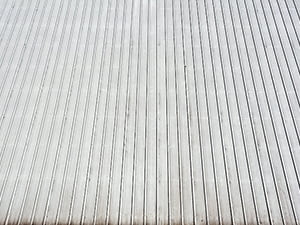
Standing seam panels have raised seams that join panels together, and the fasteners are usually concealed beneath or within those seams. That layout can reduce the number of fasteners exposed to weather, and the panels can be designed to move with temperature changes. Some sloped metal roof configurations can shed snow, which calls for snow-release planning and can be installed on both new construction and re-roofing projects, depending on the structure.
These are general characteristics, not guarantees. Service life, wind performance, fire rating and energy performance depend on the specific panel, gauge, finish, clip system, substrate and installation, so they should be confirmed in the manufacturer’s documentation instead of assumed.
Exposed-Fastener and Concealed-Fastener Considerations
Metal roofing for commercial buildings comes in two broad families. Exposed-fastener panels are screwed through the face of the panel. Concealed-fastener systems, including standing seam, attach with clips or fasteners hidden in the seam. The table below compares what typically matters when choosing between them.
| Consideration | Exposed-fastener panels | Concealed-fastener (standing seam) panels |
|---|---|---|
| Fastening | Screws pass through the panel face, so each fastener and its washer is a possible leak point over time. | Panels attach with clips or concealed fasteners under the seams, so fewer penetrations sit on the exposed surface. |
| Thermal movement | Fasteners hold the panel at fixed points, so expansion and contraction can wear holes and washers. | Clip systems can allow panels to move, which is one reason they are used on long runs, depending on the design. |
| Roof geometry and slope | Appropriate slope depends on profile and the manufacturer’s minimum-slope requirements. | Typically has a manufacturer minimum slope, and complex shapes need careful detailing at valleys, hips and transitions. |
| Flashing and details | Details at penetrations, eaves, ridges and walls must be sealed and fastened to suit the profile. | Trim, curbs and penetrations need profile-specific flashing that still lets the panels move. |
| Substrate | Typically fastened into purlins or decking that must hold the fasteners. | Needs a substrate and clip layout that match the panel system and the building structure. |
| Maintenance access | Fasteners and washers should be checked periodically and replaced when worn. | Seams, trim and flashing need checks; concealed clips may require targeted investigation if movement or attachment concerns arise. |
Neither type is right for every building. Exposed-fastener panels can be a practical choice for some buildings and budgets, while concealed-fastener standing seam is often specified where fewer exposed penetrations and panel movement matter. The deciding factors are the roof’s shape and slope, the structure underneath and how the owner plans to maintain the roof.
Project Conditions That Should Guide the Choice
- Existing roof: A metal system may sometimes go over an existing roof and sometimes requires tear-off. That depends on the structure, the condition of the existing system, building code review and the manufacturer’s requirements.
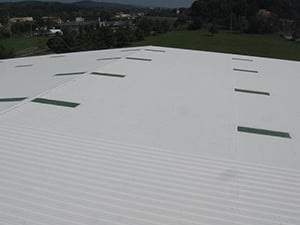
- Roof shape: Valleys, hips, curbs, skylights and rooftop equipment add flashing complexity and affect how panels are laid out.
- Structure and substrate: The deck or purlin layout must support the panel and clip system, as well as snow load and wind uplift for the specific building.
- Snow and ice: In Mandan, snow release, ice buildup at eaves and the placement of snow retention or guards affect safety and drainage.
- Use of the building: Condensation, ventilation and insulation details differ for warehouses, offices and retail buildings.
- Maintenance access: Plan how the roof will be inspected, who can safely reach it and what will be checked each time.
Questions for a Written System Specification
A written specification makes proposals comparable and reduces surprises. Useful questions include the following.
- Which panel profile, gauge, material and finish are specified, and what manufacturer documentation covers them?
- Are the panels exposed-fastener or concealed-fastener, and how are they attached, including clip type and spacing?
- How does the system accommodate thermal movement across the longest panel runs?
- What substrate and underlayment are assumed, and what happens if the existing deck or purlins need repair?
- How are valleys, penetrations, curbs, eaves, ridges and wall transitions flashed?
- What wind, snow and fire-rating documentation applies to this specific assembly and the code requirements for this building?
- What does the maintenance plan include, and what inspection records will be provided?
- What is excluded, and what warranty terms apply from the manufacturer and the installer, in writing?
Any warranty, rating or lifespan should come from written documents for the specific product and assembly, not from general claims.
Maintenance and Repair of Metal Roofs
Metal roofs are not maintenance-free. Periodic inspections should look at seams, clips, trim, flashings, sealants, penetrations, gutters and drainage, along with any fastener and washer wear on exposed-fastener panels. A documented commercial roof inspection in Mandan gives dated findings, and defined problems can be handled through commercial roofing repair in Mandan. Where an existing metal roof is aging but structurally sound, metal roof restoration is another option to compare against replacement.
Standing Seam Metal Roof Specialists
Eagle Eye Roofing Systems serves commercial property owners in Mandan and elsewhere in North Dakota. Its Mandan service page lists standing seam metal roofs and metal roof restoration. Ask for the specification questions above before you decide, and call (701) 202-7280 to discuss a metal roof project.
Frequently Asked Questions
What is the difference between standing seam and exposed-fastener metal roofing?
Exposed-fastener panels are screwed through the panel face, while standing seam panels use concealed clips or fasteners at raised seams. The right choice depends on the roof shape, structure and maintenance plan.
Can a standing seam metal roof be installed over an existing commercial roof?
Sometimes. It depends on the structure, the condition of the existing roof, code review and the manufacturer’s requirements, so it should be confirmed in a written specification.
What maintenance does a metal roof need?
Periodic inspection of seams, clips, trim, flashings, sealants and drainage, plus checks of fasteners and washers on exposed-fastener panels. Metal roofs are not maintenance-free.
How long will a standing seam roof last?
Service life depends on the material, finish, installation, maintenance and conditions, so any figure should come from the manufacturer’s and installer’s written documents for the specific roof.