
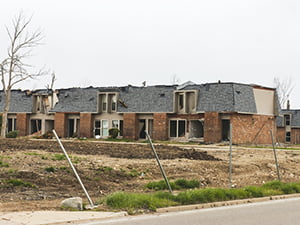
Commercial properties in Minot, ND are no strangers to severe weather. High winds, hail, heavy rain, and winter storms all place significant stress on commercial roofing systems. When storms occur, roof storm damage is not always obvious, but it can quietly compromise building performance, safety, and long-term asset value.
Protect your commercial investment by partnering with Eagle Eye Roofing Systems. Call 701-202-7280 today and speak with an expert.
Roof Storm Damage: How Commercial Buildings Are Affected
Understanding how storms affect commercial roofs and knowing the right next steps can help property owners and facility managers avoid costly disruptions.
What Qualifies as Roof Storm Damage
Roof storm damage refers to any physical or functional impairment to a commercial roofing system caused by weather events. This may include membrane punctures, seam separation, displaced flashing, fastener back-out, insulation saturation, or structural stress. Unlike residential roofs, commercial systems are engineered as layered assemblies, meaning damage may occur below the surface without immediate visible leaks.
Most Common Types of Roof Storm Damage
High winds are one of the leading causes of commercial roof storm damage in North Dakota. Wind uplift can loosen membranes, pull at edges, and compromise perimeter details.
Hail can bruise insulation, crack membranes, or dent metal panels. Even when damage is not visible, hail impact can shorten roof lifespan.
Heavy rain overwhelms drainage systems, leading to ponding water that accelerates membrane degradation and exposes weak points.
Snow and ice add weight, restrict drainage, and create freeze-thaw cycles that stress seams and penetrations, especially on flat or low-slope roofs.
How Storm Damage Differs by Commercial Roof System
Different commercial roof systems respond differently to storm events:
- TPO and PVC roofs may experience seam separation, membrane punctures, or fastener movement.
- EPDM roofs can suffer from membrane tears, shrinkage, or flashing displacement.
- Metal roofing systems may show denting, panel movement, or fastener loosening.
- Modified bitumen systems are vulnerable to surface cracking and seam damage from thermal stress.
Understanding system-specific vulnerabilities is critical when assessing roof storm damage accurately.
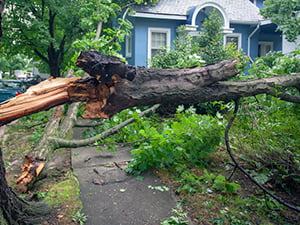
Early Warning Signs of Roof Storm Damage
After a storm, early indicators of roof storm damage may include interior ceiling stains, unusual odors, increased humidity, visible membrane wrinkling, loose edge metal, clogged drains, or debris accumulation. These signs often appear before active leaks develop and should not be ignored.
Immediate Professional Inspections Matters
Storm-related roof damage can worsen quickly if left unaddressed. A professional commercial roof inspection identifies both visible and concealed damage, documents conditions for future reference, and determines whether temporary protection or permanent repairs are required. Early inspections also help maintain warranty compliance and reduce the risk of operational interruptions.
Temporary Protection vs. Permanent Repairs
In some cases, temporary mitigation such as emergency patches or water diversion may be necessary to stabilize conditions immediately after a storm. Permanent repairs, however, should be performed only after a thorough assessment confirms the full scope of roof storm damage. Proper sequencing ensures repairs address root causes, not just symptoms.
Documentation and Insurance Considerations
Accurate documentation is a critical part of storm response. Photographs, inspection reports, and repair records help establish timelines and condition changes. While insurance policies vary, professional documentation from a qualified commercial roofing contractor supports informed decision-making and protects building owners from incomplete repairs.
When Repair Is Enough vs. When Replacement Is Necessary
Not all roof storm damage requires full replacement. In many cases, targeted repairs or system restoration can extend roof life significantly. However, widespread damage, repeated storm exposure, or compromised insulation may indicate that replacement is the more cost-effective long-term solution. A professional evaluation helps clarify the best path forward.
Roof Storm Damage Experts
For commercial properties in Minot and the surrounding region, proactive storm response is essential. Eagle Eye Roofing Systems provides commercial roof storm damage inspections, assessments, and repair solutions tailored to the demands of North Dakota weather. Addressing storm damage early helps protect tenants, equipment, and long-term building performance.
If your facility has experienced severe weather, schedule a professional commercial roof storm damage assessment with Eagle Eye Roofing Systems to protect your investment and minimize risk. Call 701-202-7280 to learn more.
FAQ
How soon after a storm should a commercial roof be inspected?
Ideally, a professional inspection should be scheduled as soon as conditions are safe. Early inspections help identify hidden damage before it escalates into leaks or operational disruptions.
Can roof storm damage exist even if there are no visible leaks?
Yes. Commercial roof storm damage often affects membranes, seams, insulation, or fasteners beneath the surface. Leaks typically appear later, after damage has already progressed.
Does repeated storm exposure shorten the life of a commercial roof?
Yes. Even minor storm events can compound over time, accelerating material fatigue and reducing overall roof lifespan if damage is not addressed promptly.