
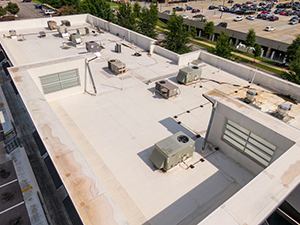
Commercial property owners in Steele, ND face unique challenges when managing building performance, especially with fluctuating temperatures, harsh winters, and rising energy costs. An energy-efficient roof replacement is no longer just a structural upgrade, it has become a strategic investment that improves operational efficiency while lowering long-term expenses.
Modern roofing systems are designed to reduce energy loss, improve insulation performance, and support sustainable building operations. Eagle Eye Roofing Systems helps businesses throughout Steele, ND evaluate energy-smart roof replacement solutions tailored to commercial properties. To learn how an energy-efficient upgrade can benefit your facility, contact Eagle Eye Roofing Systems at 701-202-7280 today.
Why Energy Efficiency Matters in Roof Replacement
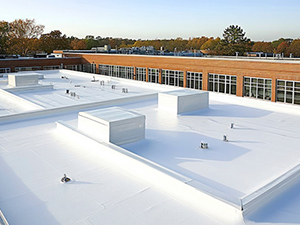
Commercial roofs cover a large surface area, making them one of the biggest contributors to energy gain and loss within a building. Older roofing systems often lack proper insulation, reflective surfaces, or moisture protection, causing HVAC systems to work harder year-round.
An energy-efficient roof replacement addresses these issues by incorporating advanced materials and modern construction methods that regulate indoor temperatures more effectively.
Improved Insulation Performance
One of the primary goals of energy-efficient roof replacement is minimizing thermal transfer. High-performance insulation layers prevent conditioned air from escaping during winter and reduce heat intrusion during summer.
Benefits include:
- Lower heating and cooling costs
- Increased indoor comfort for occupants
- Reduced strain on HVAC equipment
Proper insulation thickness and installation techniques play a major role in achieving consistent energy savings.
Air and Moisture Control
Energy efficiency is not only about insulation. Air leaks and moisture intrusion can dramatically reduce roof performance. Modern roof replacement systems incorporate vapor barriers and airtight assemblies that maintain building efficiency even during extreme weather conditions common in North Dakota.
Materials That Make Roof Replacement Energy Efficient
Advancements in roofing technology have introduced materials specifically engineered to support energy conservation.
Cool Roofing Systems
Reflective roofing membranes are designed to deflect solar radiation rather than absorb it. Even in colder climates like Steele, ND, reflective roofs help regulate temperature fluctuations and prevent overheating during warmer months.
These systems reduce rooftop temperatures, helping interior spaces remain stable without excessive mechanical cooling.
Single-Ply Membranes and Metal Roofing
Commercial building owners increasingly choose single-ply membranes or metal roofing systems during roof replacement projects. These materials provide:
- High reflectivity
- Long-term durability
- Minimal maintenance requirements
- Excellent resistance to UV damage
Metal roofs, in particular, offer longevity and recyclability, making them a strong choice for sustainability-focused businesses.
Integrated Drainage and Design Improvements
Energy-efficient roof replacement also improves drainage performance. Standing water increases heat absorption and accelerates roof deterioration. Updated designs ensure water flows properly off the roof, preserving insulation effectiveness and structural integrity.
Long-Term Financial Benefits of Energy-Efficient Roof Replacement
While roof replacement represents a significant investment, energy-efficient upgrades deliver measurable financial advantages over time.
Reduced Utility Expenses
Energy savings are often the most immediate benefit. By improving insulation and reflectivity, commercial buildings consume less energy for heating and cooling. Over the lifespan of the roof, these savings can offset a substantial portion of installation costs.
Extended Roof Lifespan
Energy-efficient systems experience less thermal stress because they maintain more consistent temperatures. Reduced expansion and contraction help prevent cracking, membrane separation, and premature aging.
A longer-lasting roof means fewer repairs, less downtime, and improved budget predictability for commercial property owners.
Eligibility for Incentives and Certifications
Many energy-efficient roof replacement projects qualify for rebates, tax incentives, or sustainability certifications. Businesses pursuing energy-conscious operations often find roofing upgrades align with broader environmental and financial goals.
Planning an Energy-Efficient Replacement Project
Commercial building owners should approach roof replacement as a strategic planning process rather than a reactive repair decision.
Key considerations include:
- Evaluating current energy performance
- Selecting materials suited to regional climate conditions
- Assessing insulation requirements
- Scheduling installation to minimize operational disruption
A professional assessment ensures that the new roof system supports both structural protection and long-term energy efficiency.
Roof Replacement Experts
For commercial property owners in Steele, ND, investing in an energy-efficient roof replacement offers a powerful opportunity to reduce operational costs while improving building sustainability. Modern roofing technologies combine advanced insulation, reflective materials, and optimized design to deliver measurable energy savings year after year.
Instead of viewing roof replacement as an unavoidable expense, forward-thinking businesses treat it as a long-term asset upgrade that strengthens performance and financial stability. Eagle Eye Roofing Systems works with commercial property owners across Steele, ND to design roofing solutions focused on durability, efficiency, and cost control. To explore energy-saving roof replacement options for your building, contact Eagle Eye Roofing Systems at 701-202-7280 today.
FAQ
How does roof replacement improve building energy efficiency?
A modern roof system improves insulation, reduces air leakage, and reflects heat, lowering overall heating and cooling demands.
Are energy-efficient roofing systems suitable for cold climates?
Yes. Proper insulation and moisture control help maintain interior warmth while preventing energy loss during harsh winters.
Can roof replacement reduce HVAC maintenance costs?
Yes. When roofs regulate indoor temperatures effectively, HVAC systems operate more efficiently and experience less wear.
Is energy-efficient roof replacement environmentally friendly?
Absolutely. Reduced energy consumption lowers emissions, and many modern roofing materials are recyclable or sustainable.