
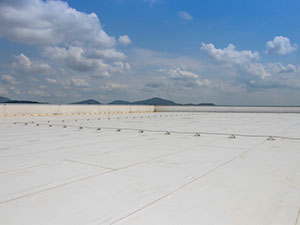
For many commercial property owners in Fargo, deciding whether it is time for a full roof replacement is rarely straightforward. Roofs rarely fail all at once. Instead, they decline gradually through small leaks, recurring repairs, rising maintenance costs, and growing operational risk. Knowing when repairs or restoration no longer make financial or practical sense is critical to protecting both the building and the business inside it.
Choosing Eagle Eye Roofing Systems means having a partner in the management of your commercial roofing investment. Call 701-202-7280 and schedule your consultation today.
When Is Roof Replacement the Right Call?
Understanding the right timing for commercial roof replacement starts with evaluating performance, cost, and long-term risk rather than reacting to the next leak.
Age Alone Is Not the Deciding Factor
A common misconception among building owners is that roof age automatically dictates replacement. While age matters, performance history matters more. A twenty-year-old roof that has been properly maintained may still be viable, while a ten-year-old roof with chronic issues may already be a liability.
Commercial roofing systems experience wear from Fargo’s seasonal temperature swings, snow loads, and wind exposure. Over time, seams loosen, membranes fatigue, flashings deteriorate, and insulation becomes compromised. If inspections show widespread material degradation instead of isolated issues, replacement should be considered regardless of age.
When Repairs Become a Repeating Expense
Occasional repairs are normal for any commercial roof. However, when repairs become frequent and reactive, the roof may be reaching the end of its functional life. Warning signs include leaks appearing in new locations, recurring moisture after repairs, and temporary fixes that no longer hold through seasonal changes.
As repair frequency increases, so does hidden cost. Emergency repairs disrupt operations, strain budgets, and often address symptoms rather than root causes. When annual repair spending begins approaching the cost of long-term solutions, replacement often provides better financial stability.
Moisture Intrusion and Insulation Failure
One of the most significant indicators that roof replacement may be necessary is trapped moisture within the roofing system. Once insulation becomes saturated, thermal efficiency drops and interior condensation risks increase. Moisture that cannot be effectively removed through repairs or restoration typically signals that the roof assembly itself is compromised.
Infrared scans, core sampling, and professional inspections help determine whether moisture intrusion is localized or systemic. If moisture is widespread, replacement becomes the most reliable way to restore performance and prevent ongoing structural damage.
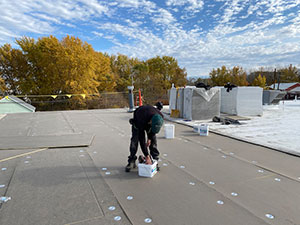
Risk to Building Operations and Assets
Commercial roofs do more than keep water out. They protect inventory, equipment, employees, and tenants. Persistent roofing issues increase the likelihood of interior damage, mold growth, slip hazards, and business interruptions.
For facilities that operate year-round or house sensitive operations, a failing roof introduces unacceptable risk. Planned roof replacement allows owners to control timing, minimize disruption, and avoid emergency shutdowns that can cost far more than the roof itself.
When Restoration Is No Longer Viable
Roof restoration can be an effective solution when the underlying roof structure is sound. However, restoration has limitations. Severe membrane deterioration, extensive moisture infiltration, and structural damage often exceed what coatings or overlays can responsibly address.
A professional evaluation can determine whether restoration will extend roof life meaningfully or simply delay inevitable replacement. Choosing replacement at the right time avoids investing capital into short-term solutions with limited return.
Financial Predictability and Long-Term Value
Commercial roof replacement offers long-term financial clarity. New roofing systems provide predictable performance, lower maintenance requirements, improved energy efficiency, and stronger warranty coverage. These benefits allow owners to plan capital expenditures more effectively while reducing unexpected repair costs.
Replacement also supports asset value. For properties that may be refinanced, sold, or insured, a documented roof replacement improves building credibility and reduces underwriting concerns.
Roof Replacement Professionals
Determining whether replacement is the right call requires objective evaluation, not assumptions. A qualified commercial roofing contractor can assess condition, document risks, and present clear options based on building goals and budget.
Working with Eagle Eye Roofing Systems ensures decisions are based on performance data, not pressure. With proper planning, commercial roof replacement becomes a proactive investment rather than a reactive expense.
To learn more about our roof replacement services, call 701-202-7280 and speak with an expert today.
FAQ
How long does a commercial roof replacement typically take?
Most projects take several days to a few weeks depending on building size, roof complexity, and weather conditions.
Can a commercial building remain operational during roof replacement?
Yes. Most replacements are phased to minimize disruption, allowing businesses to continue operating safely.
Is it better to replace a roof before it starts leaking?
Planned replacement before major failure reduces risk, limits interior damage, and allows for better scheduling and budgeting.