
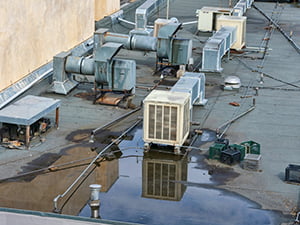
A commercial roof leak is rarely found where the water shows up. Water can travel along roof decking, insulation and other components before it reaches a ceiling tile, so a stain inside the building only tells you that water got in somewhere. Eagle Eye Roofing Systems provides roof leak detection for commercial buildings in Mandan, ND, and the most useful result of any leak inspection is a clear record of what was found, where, and what to do next.
This article explains what an owner or facility manager should expect to receive after a leak inspection, so the findings can guide the next maintenance, repair or replacement decision. To discuss a Mandan building, you can reach the team at (701) 202-7280.
Why the Inspection Record Matters
Finding a leak is only the first step. The owner still has to decide whether the problem calls for a targeted repair, a maintenance program or a larger project, and that decision is much easier with documentation. Without a written record, it is hard to compare quotes, track whether a problem is spreading, or show a lender, insurer or tenant what was known and when.
Water damage inside a building can include stained or sagging ceiling materials, wet insulation, corrosion and damage to equipment or stored goods. Because the visible damage may be far from the entry point, the report should connect the interior symptoms to specific roof conditions rather than simply listing stains.
Sample Inspection Report Outline
A useful leak inspection report is organized so that a non-roofer can follow it. The outline below shows the sections an owner can reasonably ask for. Exact formats vary, but each section serves a practical purpose.
Moisture findingsWhere moisture was found or suspected, the method used, and the limits of that method.
| Report section | What it should contain | How the owner uses it |
|---|---|---|
| Scope and conditions | Date of the visit, areas reached, weather and roof surface conditions, and what could not be inspected. | Shows how complete the findings are and what still needs a follow-up look. |
| Dated photos | Wide shots for orientation and close shots of each defect, with the date and a location reference. | Gives a baseline to compare against after storms, repairs or the next inspection. |
| Defect locations | A roof sketch or numbered plan marking seams, flashings, penetrations, drains and membrane damage. | Lets a contractor, facility manager and owner point to the same spot. |
| Moisture findings and limits | What was checked for moisture, what the method can and cannot show, and which areas remain uncertain. | Separates confirmed wet areas from areas that need further checking. |
| Prioritized actions | Each finding ranked as urgent repair, near-term repair, or monitor. | Turns observations into a work list that can be budgeted and scheduled. |
| Reinspection triggers | Events or conditions that should prompt another look, such as a severe storm or a repeat leak. | Keeps small issues from being forgotten between scheduled inspections. |
Dated Photos and Defect Locations
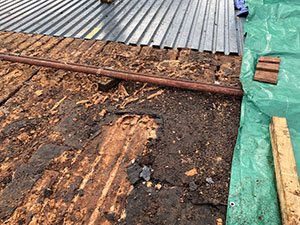
Photos are the backbone of the report. Each defect should be photographed close up and in context, with the date recorded and a location reference that matches the roof sketch. Common locations to document include flashing at walls and curbs, penetration seals around pipes and vents, seams and laps, drains and scuppers, expansion joints, and the areas around rooftop equipment.
When the same spot is photographed again after a storm or a repair, the owner can see whether a crack has grown, a seam has opened or ponding has worsened. That comparison is often more convincing than a verbal description.
Moisture Findings and Their Limits
Moisture findings should state how the information was gathered and what the method can and cannot show. A visual check can reveal damaged membrane, failed sealant and standing water, but it cannot always show wet insulation under an intact surface. Moisture scanning methods can help map suspect areas, and the report should say which areas are confirmed and which are only suspected.
Thermal imaging is a good example. A thermal image shows surface temperature differences, and wet insulation often holds heat differently from dry insulation. Those differences can also come from shading, roof materials, equipment or the time of day, so a thermal finding generally needs confirmation by another check before anyone treats it as a leak. A careful report records that distinction instead of presenting a thermal image as proof.
Prioritized Actions
A practical part of the report is a ranked list of actions. These example tiers help organize findings, but actual priorities depend on safety, active water entry and observed conditions.
- Urgent repair: Active leaks, open seams or damaged flashing that let water in now and risk damage to the interior or equipment.
- Near-term repair: Worn sealant, minor membrane damage or clogged drainage that is not leaking yet but is likely to cause problems.
- Monitor: Cosmetic aging or isolated wear that should be photographed and rechecked at the next inspection.
Ranking findings this way helps the owner distinguish immediate protection from work that can be planned after further assessment. Localized defects may be handled through commercial roofing repair in Mandan, while wider deterioration may call for a broader assessment.
Reinspection Triggers
The report should list what should prompt another look. Reasonable triggers include a severe wind, hail or snow event, a repeat leak in the same area, new stains inside the building, work by other trades on the roof, and the completion of any repair so the fix can be checked. Inspection timing for a routine program is covered on the commercial roof inspection in Mandan page, and the leak report can set a tighter schedule for areas with known weaknesses.
Who Receives the Report
The report is most useful when it reaches everyone who acts on it. That typically includes the building owner or property manager, the facility or maintenance lead who handles day-to-day issues, and any contractor asked to price the work. Owners may also want a copy on file for insurance, lender or tenant questions. Sharing the same dated photos and location references keeps every party working from one set of facts.
How Findings Lead to a Scoped Estimate
A clear report makes an estimate easier to scope and easier to compare. Each prioritized finding can become a line in the scope, with its location, the proposed work and the reason for it. That avoids vague proposals like “repair leaks” and lets the owner see which items address active water entry and which are preventive.
The findings also point toward the right category of work. A few isolated defects on an otherwise sound roof suggest repair. Widespread surface wear on a roof that is otherwise eligible for restoration may warrant evaluating acrylic coatings and restoration for flat roofs. Extensive wet insulation or widespread membrane failure can warrant assessing a larger repair or replacement scope. The report supplies the evidence for that conversation.
Leak Detection for Mandan Commercial Buildings
Eagle Eye Roofing Systems serves Mandan commercial properties with roof leak detection and related commercial roofing work. Mandan buildings deal with freeze-thaw cycles, heavy snow load and strong wind, all of which stress seams, flashings and drains. When a leak appears, ask for findings that include dated photos, marked locations, a clear statement of what moisture checks can and cannot confirm, and a ranked list of actions.
Frequently Asked Questions
What should a roof leak inspection report include?
It should include dated photos, marked defect locations, the methods used and their limits, ranked recommended actions and reinspection triggers.
Does a thermal image prove there is a leak?
Not by itself. Thermal images show temperature differences that can come from several causes, so the findings usually need confirmation by another check.
Who should receive the inspection report?
The owner or property manager, the facility lead and any contractor pricing the work should all receive it so everyone works from the same findings.
How does the report help with estimates?
Each ranked finding can become a defined line in the scope, which makes proposals easier to compare and shows which items address active water entry.