
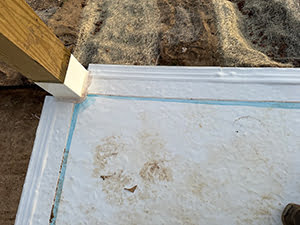
Commercial roof maintenance works best as a schedule rather than a reaction. In Minot, ND, freeze-thaw cycles, snow loads, ice and wind put steady stress on seams, flashings and drains, making consistent inspection and follow-up especially useful. Eagle Eye Roofing Systems works with commercial property owners and facility managers in Minot, and the key step is turning inspection findings into a calendar of tasks, records and follow-ups.
To discuss a Minot building, you can reach the team at (701) 202-7280.
A Facility Manager’s Guide to Commercial Roof Maintenance
Commercial roof maintenance is routine, scheduled attention to the roof system: inspections, drainage checks, seam and flashing review, minor corrective work and documentation. Repairs address damage that already exists. Maintenance aims to find small problems early so they are handled before they become leaks. A roof that is maintained is easier to budget for, because findings arrive as a ranked list instead of an emergency.
The practical question for a facility manager is what to do, when, and who does it. The matrix below separates what building staff can safely observe from what should be left to a contractor, and it lists the records worth keeping at each point in the year.
Seasonal and Post-Storm Task Matrix
Staff should not walk a commercial roof unless they are trained and the building has safe access. Most owner observations can be made from inside the building or from the ground. Roof-surface work belongs with a qualified contractor.
| When | Owner or staff observations (no roof access needed) | Contractor work | Record to keep |
|---|---|---|---|
| Spring, after the thaw | Interior ceiling stains, damp spots, drips after snowmelt, and water pooling visible from ground or windows. | Full surface inspection, drain and scupper clearing, seam and flashing checks, and minor corrective work. | Dated photos, inspection report, list of repairs made. |
| Summer | New interior stains after heavy rain, debris or equipment changes noticed by maintenance staff. | Check areas around rooftop equipment and penetrations, and recheck prior repairs. | Photos of any new conditions, notes on work by other trades. |
| Fall, before freeze-up | Clogged downspouts or overflow at the roofline, loose materials or debris seen from the ground. | Pre-winter inspection, drain and gutter clearing, sealant and flashing touch-ups. | Pre-winter report with ranked items and photos. |
| Winter | Ice buildup at drains or edges, new leaks during thaw cycles, and snow drifting near equipment. | Targeted checks only when conditions are safe and a concern has been reported. | Notes on locations and dates of any ice or leak issues. |
| After a severe storm | Interior leaks, debris on the ground, visible damage to rooftop equipment or edges. | Post-storm inspection for punctures, displaced materials, flashing and seam damage. | Dated photos, storm date and a written summary of findings. |
Minot’s winters make cold-season roof access limited and sometimes unsafe, so winter attention is mostly about noticing problems and recording them. Spring and fall are the natural times for full inspections, with a post-storm visit added whenever a significant weather event occurs.
What Each Contractor Visit Should Check
- Drains, scuppers and gutters: Clear of debris, free-flowing, and not showing standing water around them.
- Seams and laps: Intact, with no separation, lifting or open edges.
- Flashings and penetrations: Sealed around curbs, vents, pipes and equipment, and free of gaps or cracking.
- Surface condition: Punctures, blistering, ponding, wear or damage from foot traffic and equipment service.
- Prior repairs: Earlier patches or sealant still bonded and performing.
For a deeper look at what a written inspection should document, see the commercial roof inspection in Minot page. The findings from each visit are what feed the maintenance schedule.
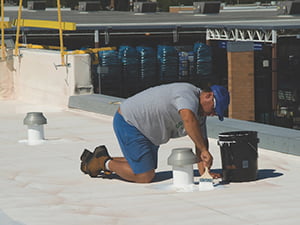
Priority Levels and Follow-Up Triggers
A simple priority scale keeps the maintenance list actionable. Many owners use three levels.
- Act now: Active leaks, open seams or damaged flashing that allow water in.
- Schedule soon: Worn sealant, blocked drainage or minor membrane damage likely to cause trouble.
- Watch: Aging or cosmetic wear that should be photographed and rechecked at the next visit.
Follow-up triggers tell you when to move an item up the list or call for an extra visit. Good triggers include a severe storm, a repeat leak in the same area, new interior staining, rooftop work by other trades, or a “watch” item that has visibly worsened. Defined damage is usually handled through commercial roofing repair in Minot, and storm events can be followed up through the roof storm damage in Minot page.
Tracking Completed Actions
Clear records help make a maintenance plan useful from one visit to the next. A simple log with the date, location, finding, action taken, who did it and a photo reference makes each visit build on the last. Keep reports, invoices and photos together so they are easy to find for ownership reviews, tenant questions or future contractors.
The log also shows whether open items are being closed. If the same “schedule soon” item shows up three visits in a row, that is a signal to act or to reassess whether a larger repair makes sense.
Warranty Requirements
Some roof warranties include maintenance or notification requirements, and others do not. The terms depend on the manufacturer, the installer and the specific document, so the right step is to read the warranty for your roof and note what it asks for, such as inspection frequency, approved repair methods or notice after damage. Keeping a maintenance log makes it easier to show what was done and when. Maintenance supports early detection and documented follow-up, but it cannot prevent every leak or guarantee a coverage outcome.
Choosing the Right Commercial Roof Maintenance Partner
Look for a contractor that works on commercial systems, documents what it finds with dated photos and clear locations, and explains priorities in plain terms. Ask how reports are delivered, who receives them and how findings turn into a scoped estimate. Eagle Eye Roofing Systems works with commercial property owners and facility managers across Minot, ND on inspection, maintenance and repair.
Plan Ahead with Commercial Roof Maintenance
Treat the roof as a managed asset: set the seasonal schedule, define who observes and who inspects, keep the log, and let priorities and triggers drive the work. For help setting that up for a Minot building, call (701) 202-7280.
Frequently Asked Questions
How often should a commercial roof be maintained?
Many commercial roofs are inspected in spring and fall, with extra visits after severe storms. The right schedule depends on the roof system, its age and its past findings.
Can building staff inspect the roof themselves?
Staff can watch for interior stains, drainage problems and visible debris from safe locations. Walking the roof surface is best left to trained contractors.
Is maintenance required for warranty coverage?
It depends on the warranty. Read the document for your roof and keep a log of inspections and repairs so you can show what was done.
Can maintenance prevent all roof leaks?
No. Maintenance helps identify some developing defects and allows early repairs, but it cannot prevent every leak.