
Storms in Williston, North Dakota can be intense, bringing heavy rain, high winds, and hail that can cause considerable damage to roofs. Whether it is a small leak or widespread shingle loss, roof storm damage can compromise the safety, comfort, and energy efficiency of a property. Understanding the impact of roof storm damage and how to respond quickly is essential for homeowners and business owners who want to protect their investment. Call Eagle Eye Roofing Systems on (701) 202-7280 for roof storm damage services in Williston, ND.
Common Types of Roof Storm Damage
Storms can harm diverse types of roofing materials in several ways. One of the most common problems is wind damage. Strong gusts can lift or remove shingles, leaving the underlying structure exposed to moisture. Even when shingles are not completely torn off, they may loosen enough to allow water infiltration over time.
Hail damage is another major concern in Williston. Hailstones can create dents, cracks, and punctures in roofing materials, especially on asphalt shingles and metal roofs. While some damage may be visible, other issues such as granule loss or small fractures might not be immediately noticeable. These hidden problems can lead to leaks and premature roof deterioration.
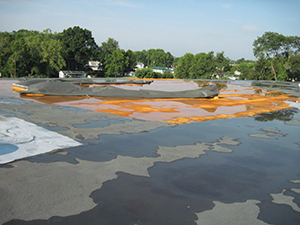
Heavy rain can also cause water pooling on flat or low slope roofs. If drainage systems are blocked or poorly designed, standing water can weaken roofing materials and increase the risk of leaks. Over time, trapped moisture may lead to mold growth or interior damage.
In winter, snow and ice can contribute to storm related roof issues. Ice dams form when snow melts and refreezes near the roof’s edge, preventing proper drainage. The trapped water can then seep beneath shingles, leading to water stains and insulation damage.
Recognizing Roof Storm Damage
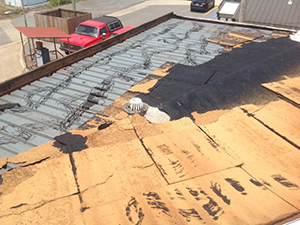
After a severe weather event, inspecting the roof for damage is crucial. Homeowners should look for missing or broken shingles, dented flashing, sagging areas, or granules accumulating in gutters. Water stains on ceilings or walls are also signs that water may be entering the structure.
Because not all damage is visible from the ground, it is best to schedule a professional inspection. Roofing specialists in Williston are trained to identify both surface and hidden damage that could worsen over time. They use advanced tools and techniques to assess the condition of the roof and determine the best repair or replacement strategy.
The Importance of Prompt Repairs
Delaying roof repairs after a storm can lead to more significant and expensive problems later. Water intrusion is one of the most damaging consequences of storm related roof issues. Even a small leak can result in mold growth, damaged insulation, and weakened structural supports.
Quick action not only prevents further deterioration but also helps maintain the property’s value. Most insurance companies require prompt reporting of storm damage for claims to be valid. By contacting a professional roofer immediately after a storm, property owners can ensure that accurate documentation and photographs are taken for insurance purposes.
In Williston, professional roofing contractors specialize in storm restoration services. They can replace damaged shingles, reseal vulnerable areas, and apply protective coatings to strengthen the roof against future storms. Their expertise ensures that repairs are completed safely, efficiently, and in compliance with local building codes.
Preventing Future Storm Damage
While it is impossible to prevent all weather-related issues, there are several ways to minimize the risk. Regular roof maintenance plays a key role in preventing storm damage. Scheduling inspections at least twice a year helps identify weak spots before they become serious problems.
Keeping gutters and downspouts clear allows water to drain properly during storms, preventing pooling and ice dams. Installing high quality roofing materials rated for impact and wind resistance is another effective preventive measure. In addition, reinforcing roof flashing and sealing joints can help improve overall durability.
Tree trimming is also important for roof protection. Overhanging branches can break during intense winds and cause structural damage. Removing dead or weakened limbs before storm season can reduce the likelihood of impact damage.
Working with Local Roofing Experts
Choosing an experienced roofing company in Williston ensures that storm damage repairs are managed properly. Local contractors understand the region’s climate and weather challenges. They can recommend materials and maintenance practices best suited for North Dakota’s conditions.
Reputable roofers provide detailed inspections, transparent repair plans, and quality workmanship that restores roofs to their original strength. Their goal is to help property owners recover quickly from storm events and safeguard their homes or businesses for the future.
Roof Storm Damage Experts
Roof storm damage in Williston, North Dakota is a sincere concern that requires timely attention. By understanding how storms affect roofing systems and collaborating with professional contractors, homeowners can prevent further deterioration and extend the life of their roof. Taking initiative-taking measures before and after storms can make all the difference in maintaining safe and reliable property. If you are dealing with roof storm damage in Williston, ND, contact Eagle Eye Roofing Systems on (701) 202-7280.
FAQ
How can I tell if my roof needs repairs after a storm?
Look for missing shingles, dents, or leaks inside your home. A professional inspection can identify hidden issues that are not visible from the ground.
Can roof damage get worse if left untreated?
Yes, even small leaks or cracks can grow over time, leading to water damage, mold, and structural problems that are more costly to repair later.
Are metal roofs more resistant to storm damage?
Metal roofs are exceptionally durable and resistant to wind and hail, but they can still sustain dents or loose panels during severe weather. Regular inspections are advised.