
Severe weather can disrupt operations quickly, especially for commercial properties in Valley City, ND. High winds, hail, and heavy rain often lead to unexpected roof storm damage, threatening inventory, equipment, and daily productivity. Acting quickly is critical to limiting losses and preventing prolonged interruptions. If your building has been impacted, contact Eagle Eye Roofing Systems at 701-202-7280 to begin the recovery process and protect your investment in Valley City, ND.
For commercial building owners, the real challenge isn’t just repairing the roof, it’s minimizing downtime. A fast, organized response can mean the difference between a brief inconvenience and a major operational setback.
Minimizing Business Downtime After Roof Storm Damage
The first hours after roof storm damage are crucial. Quick action helps stabilize the situation and prevent further complications.
Secure the Property
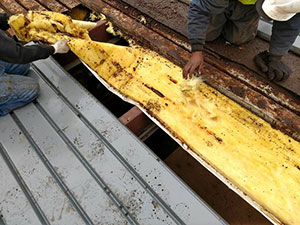
Temporary protective measures such as tarping exposed areas and sealing leaks can reduce water intrusion. Even minor delays can allow moisture to spread into insulation, walls, and electrical systems, significantly increasing repair costs.
Protect Interior Assets
Commercial buildings often house valuable inventory, machinery, or sensitive electronics. Moving assets away from affected areas and covering vulnerable equipment reduces the risk of water damage. This step helps ensure business continuity while permanent repairs are arranged.
Document the Damage
Thorough documentation supports insurance claims and speeds up the financial recovery process. Photographs, written descriptions, and professional assessments provide clarity when working with adjusters. Proper documentation helps avoid disputes and keeps repairs moving forward efficiently.
Taking these steps immediately reduces the scope of repairs and shortens downtime.
Strategic Repair Planning to Reduce Disruptions
Once the property is stabilized, the focus shifts to planning repairs in a way that allows operations to continue whenever possible.
Conduct a Comprehensive Assessment
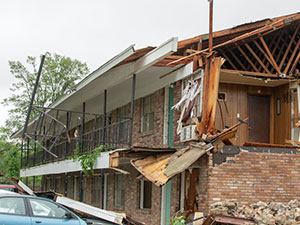
A detailed roof inspection identifies visible and hidden damage. Storm impacts can weaken flashing, puncture membranes, or loosen seams. Identifying all affected areas early prevents repeat repairs and unexpected interruptions later.
Prioritize Critical Areas
Not all damage affects operations equally. Repairs should prioritize sections that pose the greatest risk to safety and business continuity. Addressing high-traffic areas, server rooms, storage spaces, and production zones first helps maintain core activities.
Schedule Repairs Strategically
Many commercial roofing repairs can be completed in phases. Coordinating work during off-hours or slower business periods reduces operational disruption. Clear communication with employees and tenants ensures everyone understands the timeline and expectations.
A structured repair plan keeps projects organized and avoids extended closures.
Preventing Secondary Damage and Extended Downtime
Roof storm damage often triggers additional issues if not handled properly. Preventing secondary damage is essential to keeping recovery costs manageable.
Address Water Intrusion Quickly
Water infiltration can compromise insulation and structural components. If moisture spreads, it may lead to mold growth, which can create health risks and require more extensive remediation. Fast drying and targeted repairs prevent minor leaks from becoming major restoration projects.
Inspect Drainage Systems
Storm debris frequently clogs gutters and drains. Poor drainage increases the risk of ponding water, which adds stress to flat or low-slope commercial roofs. Clearing these systems prevents recurring issues and extends roof life.
Evaluate Structural Integrity
High winds can cause subtle structural shifts that aren’t immediately visible. Ensuring the roof deck and support systems remain sound protects the building long term and prevents future disruptions.
By taking a proactive approach, commercial property owners can limit recovery time and avoid repeated service interruptions.
Long-Term Strategies for Business Resilience
While immediate response is essential, planning for future storms is equally important. Valley City, ND experiences seasonal weather extremes, making resilience planning a smart business decision.
Consider implementing:
- Reinforced roofing materials designed for wind and hail resistance
- Protective coatings that enhance durability
- Routine maintenance programs that address vulnerabilities early
- Emergency response plans outlining clear action steps after severe weather
Preparation reduces the impact of future roof storm damage and strengthens overall operational stability.
Roof Storm Damage Professionals
Storms are unpredictable, but your response doesn’t have to be. Minimizing downtime after roof storm damage requires quick stabilization, strategic repair planning, and proactive prevention. By acting swiftly and working with experienced professionals, commercial building owners can restore normal operations faster and protect their long-term investment.
If your property in Valley City, ND has experienced roof storm damage, contact Eagle Eye Roofing Systems at 701-202-7280 to assess the situation and begin efficient repairs that help your business get back on track quickly.
FAQ
What are the first signs of roof storm damage on a commercial building?
Common signs include visible membrane tears, missing materials, interior water stains, clogged drains, and loose flashing.
Can business operations continue during storm damage repairs?
In many cases, yes. Repairs can often be scheduled in phases to minimize disruption.
Does hail always cause visible roof damage?
Not always. Some hail damage weakens roofing materials without obvious surface marks, making professional inspections important.
How can I prepare my building for future storms?
Reinforced materials, proper drainage maintenance, and a clear emergency plan help reduce future downtime.