
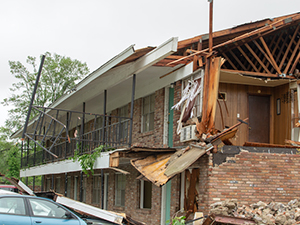
After a storm hits a commercial building in Dickinson, ND, the practical question is whether the roof was damaged and what to do next. Wind, hail, heavy snow, and flying debris can damage a roof in ways that are not visible from the ground, and the signs inside the building can appear in a different place from the damage on the roof. This guide explains what to look for from safe locations, what a professional storm damage assessment should confirm, and when to act. Eagle Eye Roofing Systems serves commercial roofing customers in Dickinson and across North Dakota. Its commercial roofing scope includes roof restoration and spray foam systems; the precise remedy for storm damage depends on the findings.
For commercial roofing questions after a storm, contact Eagle Eye Roofing Systems at (701) 202-7280. Report any active interior leaks and ask which assessment or temporary protective work is appropriate for the conditions.
Understanding Roof Storm Damage
Large holes or missing sections are easy to spot, but many kinds of storm damage are quiet at first and show up later as leaks or wet insulation. Common types include:
Hail damage. Hail can dent metal panels and bruise or break the surface of membranes and coatings. Some dents may be cosmetic, but fractures, punctures, damaged seams or displaced flashings can compromise weather protection. Document the affected areas before deciding on the repair scope.
Wind damage. Strong wind can lift membrane edges, loosen flashing and edge metal, and pull panels or components out of place, especially along edges, corners, and rooftop equipment.
Debris impact. Branches and wind-blown objects can puncture or tear roofing and damage rooftop units and drains.
Water infiltration. Once the roof surface is compromised, water can reach the insulation and deck. It may travel along the deck and appear as a ceiling stain far from where it entered.
Snow and ice. Heavy snow adds weight, and freezing and thawing can back water up behind blocked drains or at roof edges. This is not always storm damage in the strict sense, but it can look like it.
What to Look For and What an Assessment Should Confirm
Owners can note what they see from safe locations, but a roof assessment helps determine what an observation means. The table connects common observations to what they may indicate and what to check:
| What you notice | What it may indicate | What the assessment should confirm |
|---|---|---|
| Ceiling stain or drip after a storm | Water entering at a seam, flashing, penetration, or drain, though not always above the stain | A roof-side check of the area, and moisture readings where appropriate, since a stain alone does not show the source |
| Debris, loose metal, or displaced items visible from the ground | Possible wind or impact damage | Whether panels, membrane, flashing, or edge metal were actually damaged or lifted |
| Dented metal panels or soft-looking spots after hail | Possible hail impact | Whether the damage is cosmetic or has broken the surface, seams, or coating |
| Water standing on a visible roof area after rain or melt | A blocked or damaged drain, or ponding that existed before the storm | The cause, and whether the problem predates the storm |
| Torn, lifted, or open membrane seams | Wind lift or seam separation | The extent, whether insulation beneath is wet, and the repair scope needed |
| No visible damage at all | Damage may still exist out of sight | An inspection, since some damage cannot be seen from the ground or inside |
Keep off the roof yourself, especially if it is wet, icy, or snow-covered. Photograph what you can see from the ground, from windows, and inside the building, and write down the date of the storm and when you first noticed each problem.
What a Storm Damage Assessment Should Include
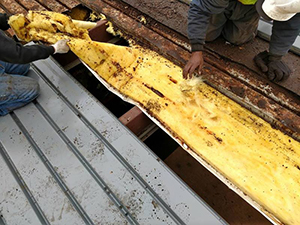
A useful storm damage assessment is most useful when findings are documented, not just conveyed verbally. Ask the inspecting contractor for a report that addresses:
- A roof-system review: membrane or panel surfaces, seams, flashing, edges, drains, and rooftop equipment.
- Dated photos and locations: each defect recorded with where it is and how it looks.
- Moisture findings and their limits: if scans or samples are used, what they show and what still needs confirmation.
- Cause and condition: which damage looks storm-related and which looks like earlier wear.
- A written repair scope: what needs repair first, what can be monitored, and what would call for a broader assessment. See also how a commercial roof inspection in Dickinson is documented.
If the source of a leak is unclear, roof leak detection can help find it before repairs are scoped.
Questions to Ask About the Damage Report
Eagle Eye Roofing Systems focuses on commercial roofing across North Dakota, including Dickinson, and works on flat and low-slope commercial roofs. Whichever contractor you choose, ask the same questions:
- Will I receive a written assessment with photos and locations?
- How does the contractor separate storm damage from existing wear?
- What is included in the repair scope, and how are hidden conditions priced if they appear?
- How are temporary protection and weather delays handled?
- If I file an insurance claim, what documentation will be provided? The insurer, not the contractor, determines coverage under the policy.
Protecting Your Property Value
Acting on storm damage matters because water that stays in the roof system can cause wet insulation, deck deterioration, mold, and interior damage that are more expensive to fix later. Some defects are localized and may be repaired with methods compatible with the existing roof. Widespread open seams, damaged attachment or confirmed wet insulation may require a larger corrective scope. Coating is not a substitute for repairing storm-created openings or removing saturated material. Records help in both cases. Regular commercial roof maintenance in Dickinson creates a dated record of the roof’s condition before a storm, which makes it easier to tell what changed.
Discuss Roof Storm Damage in Dickinson
Storm damage is stressful, but a clear process helps: stay off the roof, document what you can, arrange a professional assessment, and compare the repair scope with the evidence. To discuss a storm damage assessment for your Dickinson, ND building, call Eagle Eye Roofing Systems at (701) 202-7280.
Frequently Asked Questions
How soon should I have my roof inspected after a storm?
Check from safe locations right away, then arrange a professional inspection soon after, since some damage is hidden. Do not climb onto a wet, icy, or snow-covered roof.
Will my insurance cover commercial roof storm damage?
It depends on your policy, the cause of the damage, and the insurer’s findings. Ask your agent or insurer about coverage and reporting deadlines, and keep dated photos and records.
What should I do if I suspect storm damage to my roof?
Protect the contents inside, take photos from safe locations, note the storm date, and arrange a professional roof assessment. Avoid walking on the roof yourself.
How long does storm damage repair take?
It depends on the extent of the damage, the roof system, suitable repair materials, safe access, and the weather. Ask for a written scope and schedule after the assessment, including how weather delays are handled.