
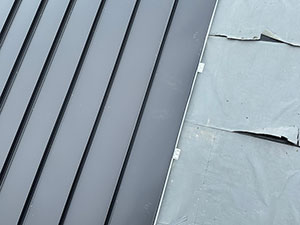
For commercial property owners in Valley City, ND, roofing decisions directly impact operating costs, structural protection, and long-term property value. One system that continues to gain attention is the standing seam metal roof. Known for durability and performance in extreme climates, this roofing option offers distinct advantages for businesses seeking longevity and efficiency. If you are evaluating roofing upgrades in Valley City, ND, contact Eagle Eye Roofing Systems at (701) 202-7280 to explore whether a standing seam metal roof is the right investment for your facility.
Understanding the true value of this roofing system requires looking beyond upfront costs and considering long-term performance.
What Makes a Standing Seam Metal Roof Different?
A standing seam metal roof features vertical metal panels with raised seams that interlock above the surface of the roof. Unlike exposed fastener systems, the fasteners are concealed beneath the seams, reducing vulnerability to weather damage.
Concealed Fastener Design
Traditional metal roofs often rely on exposed screws, which can loosen over time due to temperature fluctuations. In contrast, standing seam systems hide fasteners beneath the raised seams, protecting them from moisture and corrosion. This design significantly reduces the risk of leaks.
Thermal Movement Accommodation
Metal expands and contracts with temperature changes. Standing seam panels are engineered to accommodate this movement without stressing the fasteners or compromising the roof’s integrity. For commercial buildings in climates like North Dakota’s, this flexibility is critical.
Durability in Harsh Weather Conditions
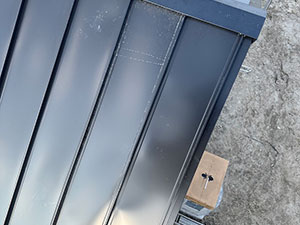
Valley City experiences heavy snowfall, strong winds, and temperature extremes throughout the year. Roofing systems must perform reliably under these conditions.
Superior Snow Shedding
The smooth surface and vertical seams of a standing seam metal roof encourage snow and ice to slide off more easily. This reduces excessive weight loads and minimizes the formation of ice dams that can cause structural damage.
Wind Resistance
Standing seam systems are designed to withstand high wind speeds. The interlocking panel design provides enhanced uplift resistance, an important feature for protecting large commercial structures.
Corrosion Resistance
Modern metal roofing panels are coated with protective finishes that resist rust and environmental wear. With proper installation, these systems can last 40 to 70 years, significantly longer than many traditional roofing materials.
Energy Efficiency and Cost Savings
While the upfront investment for a standing seam metal roof may be higher than other roofing options, the long-term savings can offset the initial cost.
Reflective Properties
Metal roofing reflects solar radiation rather than absorbing it. Many systems are available with cool roof coatings that further reduce heat gain. For commercial building owners, this can translate to lower cooling costs during warmer months.
Insulation Compatibility
Standing seam metal roofs work well with advanced insulation systems. When paired with proper insulation and ventilation, they improve overall building energy efficiency year-round.
Reduced Maintenance Expenses
Because the fasteners are concealed and protected, maintenance requirements are typically lower than those of exposed fastener metal roofs. Fewer repairs over time contribute to long-term cost efficiency.
Long-Term Value and Return on Investment
When evaluating whether a standing seam metal roof is worth the investment, commercial property owners should consider lifecycle costs rather than just installation expenses.
Extended Lifespan
Many traditional roofing systems require replacement within 20 to 30 years. A properly installed standing seam system can last several decades longer, reducing the frequency and cost of future replacements.
Enhanced Property Value
A durable, energy-efficient roofing system can increase property appeal and market value. Prospective buyers or tenants often view long-lasting roofing systems as a major asset.
Sustainability Benefits
Metal roofing is often made from recycled materials and is fully recyclable at the end of its lifespan. This environmentally responsible aspect may align with sustainability goals for modern businesses.
Is Standing Seam Metal Roof the Right Choice for Every Commercial Building?
While standing seam metal roofs offer numerous advantages, suitability depends on building design, budget, and long-term goals. Flat or low-slope commercial structures may require specific engineering considerations. Consulting with experienced professionals ensures the system is designed appropriately for your property.
Building owners should weigh factors such as:
- Long-term occupancy plans
- Budget flexibility
- Structural compatibility
- Energy efficiency goals
When these align, a standing seam metal roof can deliver exceptional performance and value.
Standing Seam Metal Roof Experts
Investing in a standing seam metal roof can provide long-term durability, energy efficiency, and reduced maintenance costs for commercial properties. For business owners in Valley City, ND, evaluating lifecycle savings and weather resilience is essential when making roofing decisions. To learn more about whether this roofing system fits your building’s needs in Valley City, ND, contact Eagle Eye Roofing Systems at (701) 202-7280 for professional guidance and detailed assessments.
FAQ
How long does a standing seam metal roof typically last?
With proper installation and maintenance, it can last 40 to 70 years or more.
Is a standing seam metal roof noisy during rain or hail?
When installed with proper insulation and decking, noise levels are comparable to other commercial roofing systems.
Can a standing seam metal roof improve energy efficiency?
Yes, reflective coatings and compatibility with insulation systems help reduce heat gain and improve efficiency.
Is a standing seam metal roof suitable for low-slope commercial buildings?
It can be, but proper engineering and professional design are essential to ensure effective drainage and performance.