
Commercial property owners face unique challenges from harsh winters, temperature fluctuations, and demanding weather conditions. Elastomeric roof coatings have emerged as a proven solution that extends roof life, reduces energy costs, and provides superior protection against the elements.
Getting the most from your commercial roofing investment is key to great ROI. Partner with the experts at Eagle Eye Roofing Systems for all your commercial roofing needs. Call 701-202-7280 today to schedule your Fargo, ND area consultation.
Understanding Elastomeric Roof Coatings
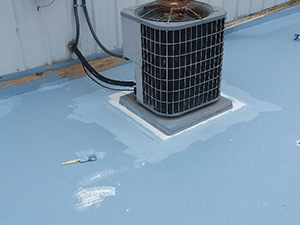
Elastomeric roof coatings are flexible, rubber-like materials that cure to form a seamless, waterproof membrane over existing roof surfaces. The term “elastomeric” derives from “elastic polymer,” referring to the coating’s ability to stretch and contract with temperature changes without cracking or losing adhesion. This elasticity is crucial for commercial roofing systems in climates where temperature swings cause significant thermal expansion and contraction.
These advanced coatings typically consist of acrylic, silicone, or polyurethane polymers suspended in water or solvent-based carriers. Once applied, they form a durable, flexible barrier that moves with the roof substrate while maintaining waterproof integrity.
Key Benefits
Elastomeric coatings offer exceptional value for commercial roofing applications. Their reflective properties can reduce cooling costs by up to 30% during summer months, while their seamless application eliminates vulnerable seams and joints where leaks commonly develop. The coatings also provide excellent UV resistance, protecting underlying roofing materials from degradation caused by constant sun exposure.
For businesses in northern climates, these coatings offer particular advantages during freeze-thaw cycles. Their flexibility prevents cracking that rigid coating might experience, ensuring continuous protection throughout harsh winter conditions.
Types of Elastomeric Roof Coatings
Acrylic
Water-based acrylic systems are ideal for moderate climates and cost-conscious applications. They provide good UV resistance and are easy to apply, making them suitable for metal roofing and modified bitumen systems. However, they may not perform optimally in areas with standing water.
Silicone
Silicone coatings excel in challenging weather conditions and offer superior resistance to ponding water. These coatings maintain flexibility across extreme temperature ranges, making them excellent for harsh climates. They’re particularly effective on EPDM, TPO, and metal roofing systems.
Polyurethane
Polyurethane systems provide exceptional durability and impact resistance. They’re ideal for high-traffic commercial roofs or areas requiring superior abrasion resistance. These coatings work well on concrete, metal, and single-ply membrane systems.
Best Commercial Applications
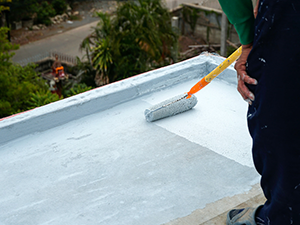
Elastomeric coatings are particularly effective on low-slope commercial roofs, including warehouses, office buildings, retail centers, and industrial facilities. They work exceptionally well as restoration systems for aging built-up roofs, modified bitumen systems, and metal roofing that shows signs of wear but maintains structural integrity.
These versatile coatings are also ideal for addressing specific problem areas such as roof penetrations, seams, and areas prone to ponding water. They can extend the life of existing roofing systems by 10-15 years when properly applied.
Preventative Maintenance Requirements
Proper maintenance is essential for maximizing the lifespan of elastomeric roof coatings. Commercial property owners should schedule bi-annual inspections to identify potential issues before they become costly problems. Key maintenance tasks include removing debris that could puncture the coating, cleaning drainage systems to prevent water accumulation, and addressing any minor repairs promptly.
Annual power washing helps maintain the coating’s reflective properties and prevents dirt buildup that can compromise performance. In cold climates, special attention should be paid to ice dam formation areas and ensure proper drainage before winter weather arrives.
Local Elastomeric Roof Coatings Expert
Successful elastomeric coating applications require proper surface preparation, appropriate product selection, and skilled installation techniques. Professional roofing contractors specializing in elastomeric coating applications ensure optimal performance and longevity through proper installation methods.
For commercial property owners seeking cost-effective roof protection that can withstand challenging weather conditions, elastomeric roof coatings represent a smart investment in long-term building protection and energy efficiency. Eagle Eye Roofing Systems in Fargo, ND provides expert elastomeric coating services for commercial properties throughout the region.
To learn more about the benefits of elastomeric roof coatings, call 701-202-7280 and speak with a local expert.
FAQ
How long does the application process take for a commercial building?
The application timeline depends on roof size and weather conditions, but most commercial elastomeric coating projects can be completed within 2-5 days. The process includes surface preparation, primer application if needed, and typically two coats of elastomeric material with proper cure time between applications.
Can elastomeric coatings be applied over existing coatings?
Yes, in many cases elastomeric coatings can be applied over compatible existing coatings, provided the surface is thoroughly cleaned and prepared. However, incompatible coatings may need to be removed first. A professional assessment is recommended to determine the best approach for each specific situation.
What warranty coverage is typically available for elastomeric roof coatings?
Most quality elastomeric coating systems come with manufacturer warranties ranging from 10-20 years, covering material defects and performance. Installation warranties from certified contractors typically provide additional coverage for workmanship. Warranty terms often require regular maintenance and inspections to remain valid.